

Simple ways to prevent and manage allergies effectively
Allergies are common health issues that affect people of all ages and lifestyles.
However, with the right knowledge and preventive habits, their impact can be greatly reduced.
Understanding allergy triggers and making small lifestyle changes can help you stay comfortable, healthy, and in control.
An allergy occurs when the immune system reacts strongly to harmless substances like pollen, dust, or certain foods.
As a result, the body releases histamine, which causes symptoms such as sneezing, itching, rashes, or swelling.
In some cases, reactions can become severe and life-threatening. Therefore, early awareness and prevention are essential.
There are several common types of allergies. Seasonal allergies are triggered by pollen, grass, and mould, especially during weather changes.
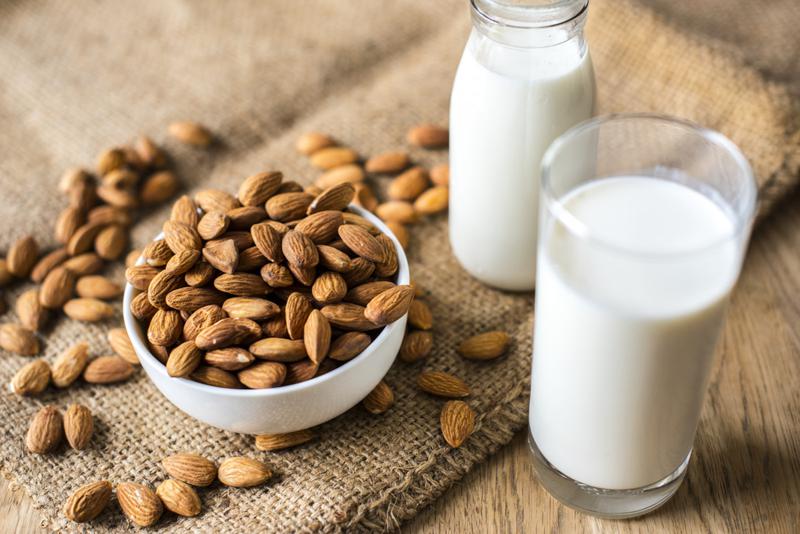
Food allergies often involve nuts, dairy, eggs, or shellfish and require strict avoidance.
Indoor allergies are caused by dust mites, pet dander, and mould, while skin allergies result from contact with latex, insects, or chemicals.
Some individuals may also experience reactions to certain medications.
Seasonal allergies can be managed by monitoring pollen counts and limiting outdoor exposure. Moreover, keeping windows closed and showering after being outside reduces pollen contact.
Using air purifiers and wearing sunglasses or masks also helps minimise symptoms.
Similarly, food allergies require careful label reading and clear communication when eating out. If prescribed, carrying an epinephrine auto-injector is crucial for emergencies.
Indoor allergies improve with regular cleaning and humidity control. Washing bedding weekly, vacuuming with HEPA filters, and bathing pets frequently reduce allergen buildup.
Likewise, skin allergies benefit from daily moisturising and avoiding harsh soaps or irritants. Testing new products before full use prevents unexpected reactions.
In addition, lifestyle changes support better allergy control. Eating a balanced diet rich in vitamins, probiotics, and omega-3 fats strengthens immunity.
Staying hydrated and maintaining good hygiene also reduce symptom severity. Most of these measures cost nothing and only require consistency.
However, consult a doctor if symptoms persist or worsen. Professional care ensures accurate diagnosis and long-term relief.
Image by rawpixel.com from Pxhere (Free for commercial use / CC0 Public Domain)
Image Published on October 09, 2018
You may also like




Image Reference: https://pxhere.com/en/photo/1452611
Recent Posts
- YLEM: Turning Waste into Sustainable Design
 New Delhi-based design and research studio that transforms discarded materials into valuable, functional products.
 - Delhi’s Winter Pollution Plan
 Vehicles without valid Pollution Under Control certificates will not receive petrol, diesel, CNG or LPG at fuel stations.
 - FSSAI Plans Ban on Added Sugars in Baby FoodFSSAI plans to ban added fructose and sucrose in baby food for infants up to six months old. The proposal aims to safeguard infant nutrition and promote healthier feeding practices.
WeRIndia – A News Aggregator

Visit werindia.com for all types of National | Business | World | Politics | Entertainment | Health related news and much more..
Leave a Reply