

Effective home remedies to relieve leg pain naturally
Leg pain is a widespread issue that people of any age can experience. It may occur due to strenuous activity, injuries, or certain health conditions.
The intensity can vary from slight discomfort to severe pain that interferes with everyday activities.
However, a number of simple home remedies may help reduce pain and support better movement.
Leg pain can occur in different parts of the leg, including the thighs, knees, calves, ankles, and feet. The sensation may feel sharp, throbbing, aching, or dull.
Various factors contribute to this condition. For instance, muscle strain often develops after intense physical activity or improper posture.
Another common cause is Sciatica, where compression of the sciatic nerve sends pain radiating down the leg. Joint inflammation due to Arthritis can also lead to persistent discomfort.
Poor blood circulation is another contributing factor. Conditions such as Varicose Veins and Peripheral Artery Disease may cause swelling, cramps, or heaviness in the legs.
Injuries like sprains, fractures, and ligament damage may also result in localized pain. In some cases, nerve damage linked to Diabetes or neuropathy may trigger ongoing leg pain.
Many people find relief through simple home remedies. Applying a cold compress is one of the easiest ways to reduce swelling and numb painful areas.
Ice wrapped in a cloth and applied for 15–20 minutes can help control inflammation. However, warm compresses work better for chronic muscle stiffness. Heat relaxes tight muscles and improves blood flow.
A warm Epsom Salt bath is another soothing option. Magnesium in the salt may help relax muscles and ease soreness.
Similarly, gentle massage helps reduce tension and improves circulation in the legs. Regular stretching exercises targeting calves, hamstrings, and quadriceps can also prevent stiffness and discomfort.
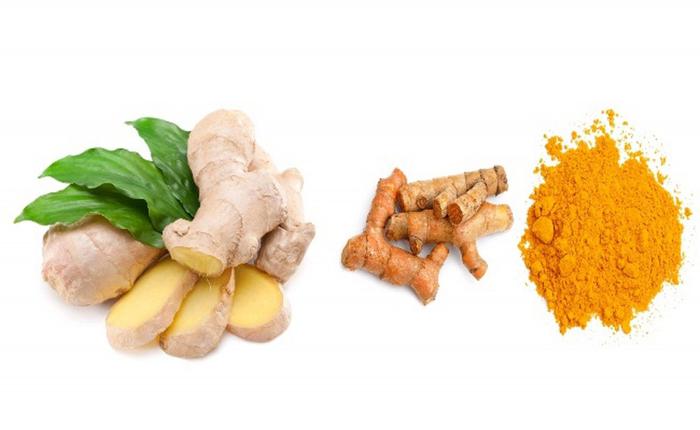
Some natural ingredients may also support relief. Turmeric and Ginger contain anti-inflammatory compounds that may reduce swelling and muscle pain.
Drinking ginger tea or adding turmeric to meals may support recovery. Staying well hydrated also plays a crucial role, as dehydration often leads to muscle cramps.
Other helpful methods include elevating the legs to reduce swelling, wearing compression socks to improve circulation, and trying techniques like Acupressure for pain relief.
In some cases, over-the-counter medicines like Ibuprofen may temporarily reduce inflammation and discomfort.
However, medical attention may be necessary if the pain persists or worsens.
Symptoms such as numbness, swelling, redness, or weakness should not be ignored.
Consulting an orthopaedic specialist can help identify the underlying cause and ensure proper treatment.
Image by Maria Brooklyn from Pxhere (Free for commercial use / CC0 Public Domain)
Image Published on August 22, 2020
You may also like



Image Reference: https://pxhere.com/en/photo/1625051
Recent Posts
- DGFT Hyderabad Recruitment 2026: Salary ₹60,000 Per Month
 The recruitment is for two Young Professional vacancies in Hyderabad, with a monthly remuneration of ₹60,000.
 - India’s Car Safety Rules Get a Major Overhaul
 EDRs already operate in several major automotive markets.
 - HealthFab: Sustainable Period Care
 HealthFab was founded by Kiriti Acharjee, Saurav Chakraborty and Satyajit Chakraborty, all from Assam.
WeRIndia – A News Aggregator

Visit werindia.com for all types of National | Business | World | Politics | Entertainment | Health related news and much more..
Leave a Reply