

Different variants of COVID-19

The genetic changes in COVID-19 led to different variants. The virus has undergone changes in its spike protein. The spike protein helps the virus to attach to human cells.
If the virus spreads more, it has more chances to mutate. One mutation, called N501Y, helps the virus better to transmit more people.
COVID-19 has many variants now. Different variants of COVID-19 are seen in different countries.
Here are the details about different COVID-19 variants:
B.1.617, or the Indian variant, is also known as the double mutant virus. However, the virus has more than two sequence changes from older variants. The effects of these alterations are not known completely. Since little data is available on this variant, it is listed as a variant of interest rather than a variant of concern. B.1.617 is the dominant variant in Maharashtra, the worst-COVID affected state in the country. WHO says multiple variants are also circulating in India.
B.1.1.7 or the UK or Kent Variant has spread to more than 50 counties. It is mutating again. As per available data, it has undergone several genetic changes due to which it could be more contagious. The current vaccines or past COVID infection might not help protect against this variant. However, more studies are essential on this matter.
B.1.351 or the South Africa variant has spread to around 20 countries.
P.1 or the Brazil variant has spread to 10 countries.
The South Africa and Brazil variants have an important mutation, E484K. It helps the virus escape from the immune system or antibodies.
The UK, Brazilian and South African variants are described as a variant of concern due to their more contagious nature. However, there is no data that they can cause more serious illness for a majority of people.
Image by FrankundFrei from Pixabay (Free for commercial use)
You may also like
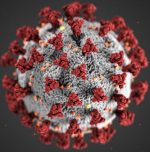


Image Reference: https://pixabay.com/illustrations/virus-bacteria-coronavirus-mutation-6148324/
Recent Posts
- Simple Ways to Make Your Coffee Healthier
 Coffee quality can vary depending on how beans are grown and processed.
 - Daily, Weekly or Monthly SIP: What Changes?
 While monthly SIPs remain the most common choice, investors can also opt for weekly or daily investments.
 - MECL Recruitment 2026: 122 Posts Open
 Candidates should note that the maximum age limit is 30 years for UR and EWS applicants.
WeRIndia – A News Aggregator

Visit werindia.com for all types of National | Business | World | Politics | Entertainment | Health related news and much more..
Leave a Reply