

IIT Guwahati creates green lead removal technology
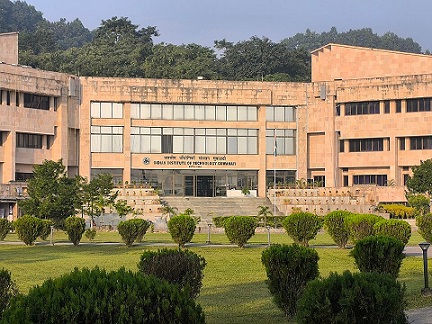
Industrial pollution continues to drive the search for cleaner and more sustainable wastewater treatment technologies.
Researchers at the Indian Institute of Technology (IIT) Guwahati have developed a biological process that removes toxic lead from highly acidic industrial wastewater.
The innovation offers an environmentally friendly alternative to conventional chemical treatment methods commonly used in battery recycling industries.
Lead contamination remains a serious environmental and public health concern worldwide. According to the World Health Organization, lead exposure can severely affect brain development in children, damage the nervous system, and cause permanent health complications.
Therefore, reducing lead pollution has become a major priority for industries and regulators alike.
Battery recycling plants generate significant quantities of lead-contaminated wastewater. However, existing chemical treatment methods often consume substantial resources and produce large amounts of hazardous sludge.
As a result, industries face additional challenges in handling and safely disposing of the waste.
To overcome these limitations, the IIT Guwahati team developed a treatment system using naturally occurring sulfate-reducing bacteria.
The research was led by Civil Engineering Professor Pranab Kumar Ghosh along with doctoral researcher Shrikant Yadav Galla.
The bacteria convert sulfate present in wastewater into sulfide. Subsequently, the sulfide reacts with dissolved lead to form lead sulfide, a stable and insoluble compound. This compound can then be separated easily from the treated water.
Moreover, the process reduces the wastewater’s acidity, creating favourable conditions for continued bacterial activity and improving long-term treatment performance.
Developing the system required the researchers to help the bacteria survive extremely acidic conditions and high metal concentrations.
Accordingly, they gradually adapted the microbial culture to harsher environments. This approach enabled the bacteria to remain active and stable throughout the treatment process.
Laboratory tests demonstrated that the bioreactor effectively converted dissolved lead into stable solid compounds.
Consequently, the treated wastewater showed significant quality improvement. In addition, the biological process generated much less toxic sludge than conventional chemical treatments.
Researchers also found that the remaining lead stayed locked in a stable and immobile form. Therefore, the risk of future environmental contamination was considerably reduced.
The findings, published in the Journal of Environmental Chemical Engineering, highlight the growing role of microbial technologies in industrial pollution control.
Furthermore, the researchers believe the method could support affordable, scalable, and environmentally safer wastewater treatment, especially as industries face stricter environmental standards.
Image Credit: Nilotpal Hazarika123, CC BY-SA 4.0, via Wikimedia
You may also like




Image Reference: https://commons.wikimedia.org/wiki/File:IIT_Guwahati,Assam,India.jpg

Recent Posts
- Navratri Fasting 2026: Eat Right, Stay Energised
 Fasting requires caution for people with diabetes, heart conditions or other medical problems.
 - GST Council Pushes Faster Compliance and Refunds
 The GST Council is examining measures to make GST compliance easier for small taxpayers.
 - SBI SCO Recruitment 2026 for Wealth Management posts
 Candidates must register and pay the application fee online through the SBI recruitment portal.
WeRIndia – A News Aggregator

Visit werindia.com for all types of National | Business | World | Politics | Entertainment | Health related news and much more..