

Wisdom tooth myths you should stop believing
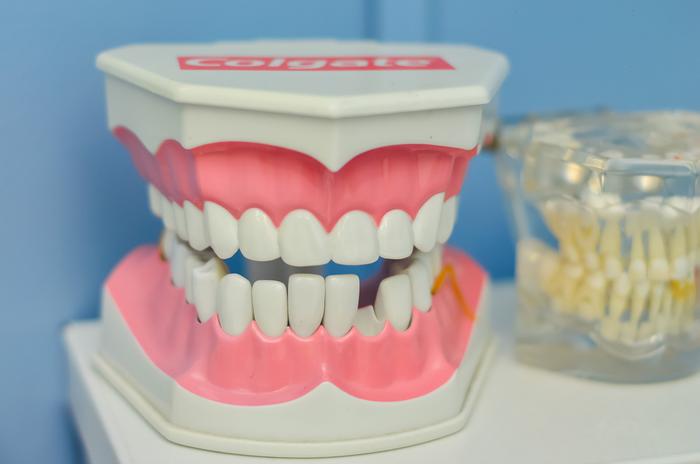
Wisdom teeth often raise concerns because of the many myths surrounding their removal.
However, understanding the facts can help people make informed decisions about their oral health.
Here are some of the most common misconceptions and the truth behind them.
One widespread belief is that wisdom tooth extraction is highly dangerous. In reality, it is a routine and safe dental procedure when performed by a qualified oral surgeon. Although every surgery carries some risk, complications are uncommon, and dentists explain them before treatment.
Another common myth claims that removing wisdom teeth can affect eyesight. However, this is completely false. The nerves connected to the teeth and the eyes are separate, so tooth extraction has no impact on vision. Moreover, even complex wisdom tooth surgeries usually take only 20 to 30 minutes.
Many people also believe that painless impacted wisdom teeth do not require treatment. Nevertheless, an impacted tooth can still create serious problems over time. It may damage nearby teeth, lead to cyst formation, increase the risk of infections, or, in rare cases, contribute to tumour development. Therefore, regular dental evaluation remains important even without pain.
Food restrictions after surgery are another source of confusion. While hard, spicy, and very hot foods should be avoided, patients can usually eat soft foods immediately after the procedure. In fact, yoghurt, mashed potatoes, smoothies, and even ice cream can help reduce discomfort during recovery.
Some also think brushing should stop for an entire week after extraction. Instead, dentists recommend avoiding brushing only for the first 24 hours. After that, patients should clean their teeth gently while avoiding the extraction site. Additionally, rinsing with warm salt water for one to two weeks supports healing and keeps the area clean.
Another misconception is that wisdom teeth must always be removed at a young age. In reality, there is no fixed age for extraction. Dentists make the decision based on factors such as pain, crowding, tooth position, and the likelihood of future complications.
Since every person’s mouth is different, treatment should always be based on an individual dental assessment.
Consulting a qualified dentist remains the best way to determine whether wisdom tooth removal is necessary.
Image from Pxhere (Free for commercial use / CC0 Public Domain)
Image published on February 03, 2017
You may also like




Image Reference: https://pxhere.com/es/photo/610537
Recent Posts
- IndiGo to shift 12 international routes to Navi Mumbai by July 2027
 IndiGo plans to support its expanding network with its Airbus A320, A321 and A321XLR fleet.
 - Cyclone Arnab: Odisha Deploys 225 Rescue Teams
 The IMD expects the storm to cross the coast between Bapatla and Visakhapatnam.
 - China develops High-Tech robot designed for Security and CombatA Chinese tech company has introduced a robotic bodyguard built to handle dangerous situations using advanced physical capabilities. The machine reportedly can defend against knife attacks and bring moving vehicles to a halt, showcasing a striking new direction in security technology.
WeRIndia – A News Aggregator

Visit werindia.com for all types of National | Business | World | Politics | Entertainment | Health related news and much more..