

Before the Rain: AI That Helps Cities Rehearse Floods
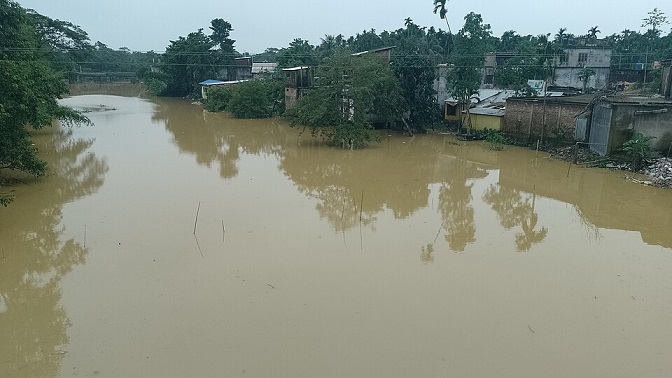
Urban flooding is no longer just a seasonal inconvenience. As cities expand, extreme rainfall can quickly disrupt roads, homes, transport and essential services.
At IIT Gandhinagar, researchers are developing an AI system that lets cities prepare for such disruption before it happens.
The AI Resilience and Command (ARC) Centre combines artificial intelligence with physics-based flood modelling. Its goal is simple: help officials see what could happen and test how to respond.
The innovation lies in its physics-guided AI approach. Conventional flood simulations can be highly accurate but often take significant computing time.
AI can produce results much faster, yet it may miss the physical rules governing water movement. ARC combines both methods.
Physics keeps the predictions grounded, while AI makes simulations rapid enough for real-time decision-making.
The system can model water depth, flow, flood spread and infrastructure impacts. It can also show how rainfall could affect traffic.
Officials can therefore identify congestion hotspots and flooding risks together.
A digital twin adds another layer. It creates a virtual version of a city where authorities can test solutions before implementing them.
They can compare pumping capacities, drainage upgrades or other interventions and assess their likely impact. This can help cities avoid costly trial and error.
The team is also tackling a major challenge: fragmented urban data. Researchers work with municipal bodies, improve incomplete datasets and develop low-cost sensors.
They also use indirect clues, such as road networks, to infer possible drainage routes.
Citizen inputs strengthen the system further. Residents can report waterlogging and upload photographs.
The platform uses location information and verification tools to turn these observations into useful data.
The technology is now being tested with city stakeholders, including through a pilot in Gurugram. Beyond flooding, the platform is being extended to urban heat, mobility and dam-related risks.
ARC represents a shift in urban planning. Instead of waiting for the monsoon to expose weaknesses, cities could rehearse possible disasters, compare responses and act with greater confidence before the first raindrop falls.
Image Credit: KEmel49, CC BY-SA 4.0, via Wikimedia Commons
You may also like

Image Reference: https://commons.wikimedia.org/wiki/File:Flood_affected_area_(1).jpg
.jpg )
Recent Posts
- YLEM: Turning Waste into Sustainable Design
 New Delhi-based design and research studio that transforms discarded materials into valuable, functional products.
 - Delhi’s Winter Pollution Plan
 Vehicles without valid Pollution Under Control certificates will not receive petrol, diesel, CNG or LPG at fuel stations.
 - FSSAI Plans Ban on Added Sugars in Baby FoodFSSAI plans to ban added fructose and sucrose in baby food for infants up to six months old. The proposal aims to safeguard infant nutrition and promote healthier feeding practices.
WeRIndia – A News Aggregator
Visit werindia.com for all types of National | Business | World | Politics | Entertainment | Health related news and much more..
Leave a Reply