

Supreme Court examines Aadhaar’s role in citizenship verification
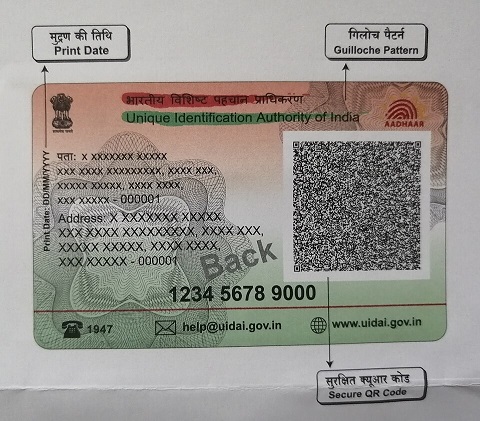
Questions surrounding identity verification and electoral integrity have once again reached the national spotlight.
The Supreme Court has issued notices to the Centre, states, union territories, the Election Commission of India, and the Unique Identification Authority of India (UIDAI) on a petition challenging the use of Aadhaar as proof of citizenship and age.
A bench comprising Surya Kant and V. Mohana sought responses after a public interest litigation filed by Ashwini Kumar Upadhyay raised concerns over the practice.
The petition argues that existing laws clearly limit Aadhaar’s purpose. Section 9 of the Aadhaar Act, 2016 states that Aadhaar is not proof of citizenship or domicile.
In addition, a 2023 UIDAI notification clarified that Aadhaar serves only as proof of identity and not as evidence of citizenship, address, or date of birth.
Despite these provisions, the plea claims Aadhaar continues to be accepted for school admissions, property transactions, birth certificates, ration cards, driving licences, and voter registration.
According to the petitioner, this practice creates legal inconsistencies and may allow individuals without valid citizenship status to obtain multiple official documents.
A key concern relates to Form-6 under the Registration of Electors Rules, 1960. The petition notes that Aadhaar can currently be submitted as proof of date of birth and residence for voter enrolment.
It argues that this provision conflicts with the legislative intent behind the Aadhaar framework and judicial observations on the document’s limited scope.
The plea further questions whether the existing voter registration process provides adequate mechanisms to distinguish eligible citizens from illegal immigrants.
It contends that weaknesses in document verification could affect the accuracy of electoral rolls.
The case also highlights broader concerns about illegal immigration and its potential impact on elections.
The petitioner alleges that access to identity documents may enable non-citizens to secure voter registration, thereby raising questions about the integrity of the electoral process.
The Supreme Court has not expressed any view on the merits of these claims.
For now, the notices mark the beginning of judicial scrutiny into whether Aadhaar’s current use aligns with the law and established regulatory guidelines.
Image Credit: Nishu0246, CC BY-SA 4.0, via Wikimedia Commons
You may also like


Image Reference: https://commons.wikimedia.org/wiki/File:Sample_PVC_Aadhar_Card_back.jpg

Recent Posts
- FSSAI Tightens Food Safety Rules for Perishable Items
 Indian Railways and its regional directors have also been directed to ensure vigilance.
 - Cancer drug prices set for major cut as NPPA caps trade margins
 The move could offer meaningful financial relief to cancer patients, particularly those requiring prolonged treatment.
 - Sudarsan Pattnaik creates Unique 10-Foot Maa Durga installationCelebrating the spirit of Durga Puja through creativity, renowned sand artist and Padma Shri awardee Sudarsan Pattnaik has created a stunning 10-foot installation of Maa Durga at Puri Sea Beach. Crafted in just five hours using 8 tonnes of sand, 22 varieties of vegetables and 10 types of fruits, the artwork conveys his heartfelt festive wishes and showcases the beauty of artistic innovation.
WeRIndia – A News Aggregator
Visit werindia.com for all types of National | Business | World | Politics | Entertainment | Health related news and much more..