

India tightens traffic rules from 2026
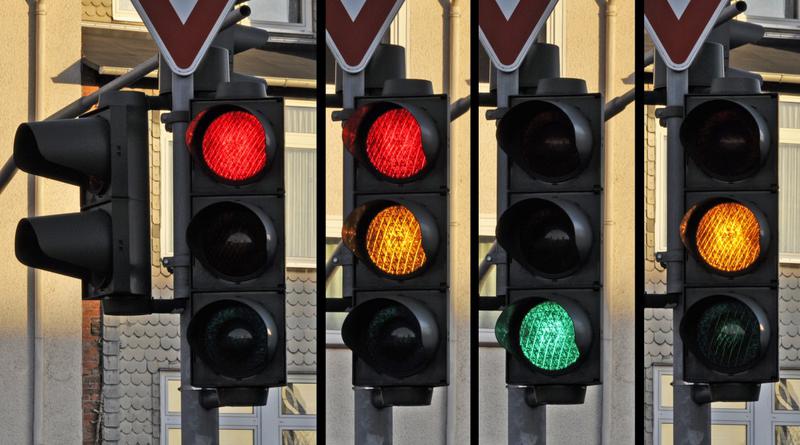
To strengthen road safety and curb repeat offences, the Indian government has rolled out a stricter traffic enforcement rule under the amended Motor Vehicles Rules.
Effective from January 1, 2026, drivers who commit five or more traffic violations within a single year risk suspension or cancellation of their driving licence for up to three months.
The rule specifically targets habitual offenders rather than one-time mistakes. Only violations recorded within the same calendar year will be counted, while past offences will not be carried forward.
Authorities believe this approach balances accountability with fairness and encourages consistent compliance.
Common violations that will be counted include riding without a helmet, not wearing a seatbelt, jumping red lights, overspeeding, and using mobile phones while driving.
These offences will be automatically captured through CCTV-based monitoring systems already installed in many cities. Once a violation is recorded, an e-challan will be issued to the driver.
Drivers must either pay the fine or submit a response within 45 days. If no action is taken, the offence will be treated as accepted by default.
However, before any licence suspension is enforced, a transport officer must hear the driver’s explanation, ensuring due process and an opportunity to contest errors.
Earlier, licence cancellation was largely limited to serious criminal acts such as vehicle theft or dangerous offences.
Under the new framework, even repeated minor violations can collectively lead to serious consequences. This marks a shift from reactive punishment to preventive enforcement.
Road safety experts have welcomed the move, noting that frequent traffic violations are a leading cause of accidents in India.
They believe the rule will promote discipline and reduce reckless behaviour over time.
While some drivers have expressed concerns about automated systems and potential errors, authorities maintain that transparent procedures and grievance mechanisms will safeguard against injustice.
The regulation is expected to influence driver behaviour positively.
By linking everyday violations to tangible consequences, the government aims to foster safer roads, fewer accidents, and a more responsible driving culture across the country.
Image from Pxhere (Free for commercial use / CC0 Public Domain)
Image Published on February 27, 2017
You may also like


Image Reference: https://pxhere.com/en/photo/866567
Recent Posts
- Fery Rides: Making Urban Travel Safer for Women
 Fery Rides also operates an all-electric fleet, bringing sustainability into its mobility model.
 - UPI MDR Rollout Deferred, Bringing Festive Relief
 Merchants can continue handling eligible payments without the immediate impact of the proposed MDR.
 - Smog-Eating Roads: A New Approach to Tackling Air Pollution
 Photocatalytic coatings are a potential supplementary measure, not a complete solution to urban air pollution.
WeRIndia – A News Aggregator
Visit werindia.com for all types of National | Business | World | Politics | Entertainment | Health related news and much more..
Leave a Reply