

Gas shake-up: New LPG rules redefine access and costs
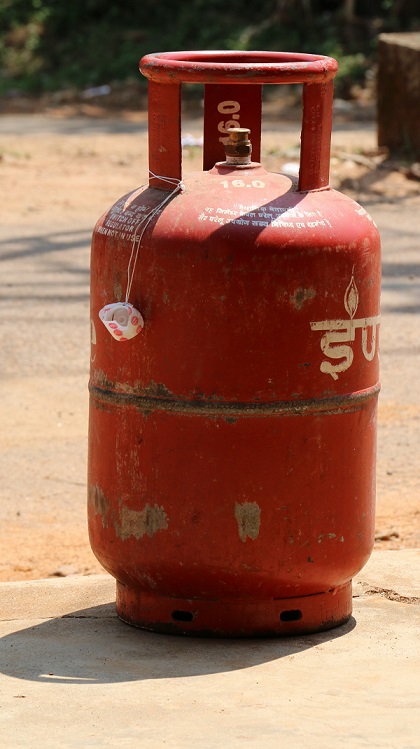
India’s energy landscape is shifting as new rules reshape how households access cooking fuel.
The Ministry of Petroleum and Natural Gas has rolled out sweeping LPG reforms effective 1 May 2026.
These changes aim to streamline subsidies, curb misuse, and manage supply pressures.
A key reform targets households using both LPG and piped natural gas (PNG). The government has now barred dual ownership.
Homes with PNG must surrender LPG connections and cannot book refills or apply for new ones. Authorities have already collected over 43,000 such connections.
However, officials expect this number to rise steadily. This move prioritises LPG for households lacking PNG access. At the same time, it supports the expansion of piped gas infrastructure.
Meanwhile, consumers will notice stricter booking and delivery rules. Urban users must now wait 25 days between bookings, up from 21 days earlier.
In rural areas, the gap may extend to 45 days. Additionally, OTP-based delivery has become mandatory.
This step aims to improve transparency and prevent diversion. Consumers must also complete updated KYC requirements to continue receiving services.
On the pricing front, commercial LPG has seen sharp increases. Since March, 19 kg cylinders have become significantly costlier.
Prices rose in multiple phases, with cumulative hikes nearing ₹993. These increases reflect global supply constraints and rising input costs.
However, domestic LPG prices remain unchanged. A standard 14.2 kg cylinder still costs ₹913 in Delhi. Petrol and diesel rates have also stayed steady at ₹94.77 and ₹87.67 per litre, respectively.
Despite stable domestic prices, oil companies face mounting losses. They currently incur an under-recovery of about ₹380 per cylinder. Projections suggest total losses could exceed ₹40,000 crore by May-end.
These developments are closely tied to geopolitical tensions in West Asia. Disruptions in key energy routes have pushed global fuel prices higher.
Nevertheless, the government maintains that supply remains stable. It has assured uninterrupted availability of LPG, PNG, and CNG nationwide.
The reforms reflect a balancing act between affordability, efficiency, and energy security.
Image from Pxhere (Free for commercial use / CC0 Public Domain)
Image Published on February 27, 2017
You may also like

Image Reference:
https://pxhere.com/en/photo/877965
Recent Posts
- Model Chai Wali: Brewing Success, One Cup at a Time
 The ‘Model Chai Wali’ journey is about more than selling tea.
 - Kuruvapur: The Sacred Abode of Shripad Shrivallabha
 Kuruvapur attracts seekers who wish to deepen their devotion and experience spiritual tranquillity.
 - Opposition Plans Supreme Court March Over ‘Vote Chori’ Row
 Earlier, leaders of several INDIA bloc parties had marched from Parliament to Vijay Chowk.
WeRIndia – A News Aggregator

Visit werindia.com for all types of National | Business | World | Politics | Entertainment | Health related news and much more..