

Rising West Asia tensions push India to strengthen fuel reserves
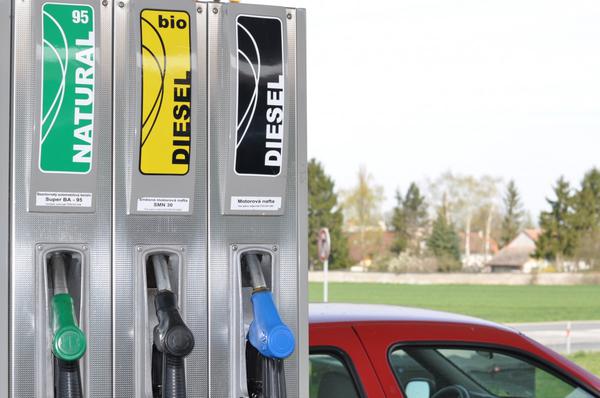
Global energy markets are facing uncertainty as tensions intensify across West Asia. However, India’s fuel supplies remain stable despite disruptions in major oil routes.
Government sources say the country’s petroleum reserves continue to rise steadily. Stocks are increasing daily, offering a buffer against potential supply shocks.
As a result, authorities see no immediate need to raise retail prices of petrol and diesel. This reassurance comes even as international oil markets react sharply to the ongoing conflict.
Meanwhile, refiners are exploring alternative sourcing options. India may consider purchasing liquefied natural gas from Russia if such supplies become available.
The possibility gained attention after the United States granted a temporary 30-day waiver. The waiver allows refiners to purchase certain Russian crude cargoes already stranded at sea.
Consequently, Indian buyers may gain short-term flexibility in managing supply risks.
At the same time, Indian Oil Corporation has secured several crude cargoes from Yanbu in Saudi Arabia. The port serves as a major export hub for global oil shipments.
These additional bookings aim to strengthen India’s supply position amid regional uncertainty.
However, consumers have already felt some impact. Domestic cooking gas prices increased recently due to rising energy costs.
The price of a 14.2 kg non-subsidised LPG cylinder rose by ₹60. It now costs ₹913 in Delhi. The revised rate took effect on March 7.
Additionally, commercial LPG cylinders became more expensive by around ₹115.
The broader concern lies in global energy markets. The conflict involving Iran has unsettled oil and gas trade flows.
Attacks on ships and energy facilities have disrupted crucial supply routes. Notably, the Strait of Hormuz remains one of the world’s most sensitive energy corridors.
As a result, international crude prices have surged above $90 per barrel. Weekly price gains have also accelerated as traders assess risks.
Even if hostilities ease soon, analysts warn that disruptions could persist. Damaged infrastructure and tighter security measures may prolong supply challenges.
Therefore, many countries dependent on Middle East energy are bracing for higher costs. Several refineries have reduced operations while seeking alternative supplies.
Governments and companies are also working quickly to secure additional fuel sources as volatility continues.
Image from Pxhere (Free for commercial use / CC0 Public Domain)
Image Published on March 22, 2017
You may also like

Image Reference: https://pxhere.com/en/photo/1231214
Recent Posts
- HealthFab: Sustainable Period Care
 HealthFab was founded by Kiriti Acharjee, Saurav Chakraborty and Satyajit Chakraborty, all from Assam.
 - Smart Ways to Manage Medical Expenses
 Unexpected medical expenses can disrupt even a carefully planned household budget. When a ₹5 lakh hospital bill leaves a ₹3 lakh shortfall after insurance settlement, families may feel pressured to…
 - YLEM: Turning Waste into Sustainable Design
 New Delhi-based design and research studio that transforms discarded materials into valuable, functional products.
WeRIndia – A News Aggregator

Visit werindia.com for all types of National | Business | World | Politics | Entertainment | Health related news and much more..