

Why does your stomach feel tight after meals, and what helps
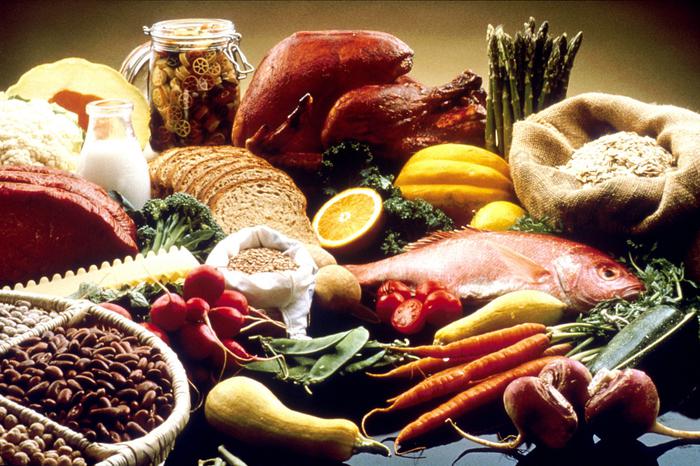
Feeling overly full after eating is common, yet it can quickly turn a good meal into discomfort.
Many people experience post-meal bloating regularly, and the reasons often lie in everyday habits.
One major cause is eating too fast. When you rush meals, you swallow extra air.
As a result, your stomach feels tight within minutes. Large bites also slow digestion, increasing the burden on your gut.
Food choices play a big role as well. Dairy, gluten, beans, and cruciferous vegetables often trigger gas. In addition, fizzy drinks and sugar-free products can worsen the issue.
Some people develop intolerances over time, even if they tolerated foods earlier.
Portion size matters just as much. Overeating stretches the stomach and delays digestion.
Consequently, food sits longer and produces gas. Similarly, a sudden increase in fibre can cause bloating. Although fibre is healthy, your gut needs time to adjust.
Sometimes, the cause goes deeper. Conditions like IBS affect how food moves through the gut. Meanwhile, bacterial imbalances can lead to excess fermentation.
In other cases, slow stomach emptying creates a prolonged heavy feeling. Hormonal changes can also intensify bloating, especially in women.
Fortunately, simple steps can ease discomfort quickly. Light movement, such as a short walk, helps release trapped gas.
Heat therapy can relax abdominal muscles. Moreover, remedies like peppermint tea or ginger may support digestion.
Over-the-counter options can also help. Simethicone reduces gas bubbles, while digestive enzymes assist in breakdown. Probiotics, on the other hand, improve gut balance over time.
Prevention, however, works best. Eat slowly and chew thoroughly to reduce air intake. Also, aim for smaller, balanced meals instead of large portions.
Keeping a food diary can help identify triggers. Once you spot patterns, adjusting your diet becomes easier.
Timing is equally important. Leave enough gap between meals to allow proper digestion. Avoid eating late at night, as it can worsen bloating the next day.
If bloating becomes frequent or severe, seek medical advice. Persistent symptoms may signal an underlying condition.
With mindful habits and the right approach, you can enjoy meals without discomfort.
Image from Pxhere (Free for commercial use / CC0 Public Domain)
Image Published on February 22, 2017
You may also like


Image Reference: https://pxhere.com/en/photo/806254
Recent Posts
- FSSAI Tightens Food Safety Rules for Perishable Items
 Indian Railways and its regional directors have also been directed to ensure vigilance.
 - Cancer drug prices set for major cut as NPPA caps trade margins
 The move could offer meaningful financial relief to cancer patients, particularly those requiring prolonged treatment.
 - Sudarsan Pattnaik creates Unique 10-Foot Maa Durga installationCelebrating the spirit of Durga Puja through creativity, renowned sand artist and Padma Shri awardee Sudarsan Pattnaik has created a stunning 10-foot installation of Maa Durga at Puri Sea Beach. Crafted in just five hours using 8 tonnes of sand, 22 varieties of vegetables and 10 types of fruits, the artwork conveys his heartfelt festive wishes and showcases the beauty of artistic innovation.
WeRIndia – A News Aggregator

Visit werindia.com for all types of National | Business | World | Politics | Entertainment | Health related news and much more..
Leave a Reply