
Young Indians at Risk: Understanding Stroke
Stroke is increasingly becoming a health concern among young adults in India.
Once commonly associated with older people, this condition now affects a growing number of individuals below 40.
Studies suggest that 10% to 15% of stroke cases occur in this age group. Reported estimates also indicate 46 cases per 100,000 people annually among adults aged 18–49.
A stroke occurs when blood flow to the brain gets blocked or a blood vessel ruptures.
Consequently, brain cells begin to suffer damage due to insufficient oxygen. Delayed treatment can lead to paralysis, speech difficulties, permanent disability or death.
There are three major types of stroke. Ischemic stroke occurs when a blood clot blocks an artery supplying the brain. It accounts for approximately 85% of stroke cases.
Haemorrhagic stroke develops when a blood vessel ruptures and causes bleeding inside the brain.
Meanwhile, a Transient Ischemic Attack (TIA), commonly called a mini-stroke, causes temporary symptoms and warns of a possible future stroke.
Several health conditions and lifestyle habits can increase stroke risk. High blood pressure remains an important risk factor.
Additionally, obesity, diabetes, high cholesterol and physical inactivity can damage blood vessels.
Smoking, excessive alcohol consumption and drug use also increase the risk.
Furthermore, heart conditions, blood-clotting disorders, genetic factors and autoimmune diseases can contribute to early strokes.
Certain hormonal factors and pregnancy-related complications may also increase risk among women.
Recognising the Warning Signs
- Stroke symptoms usually appear suddenly.
- Common warning signs include facial drooping, weakness in one arm, difficulty speaking, blurred vision, dizziness and sudden severe headaches.
- The FAST method helps identify possible strokes.
- Check the Face for drooping, Arms for weakness and Speech for unusual changes.
- Time is critical. Seek emergency medical assistance immediately if any warning sign appears.
Prevention and Recovery
- Healthy lifestyle choices can reduce several stroke risk factors.
- Regularly monitor blood pressure, maintain a healthy weight and follow a balanced diet.
- Exercise regularly and avoid smoking. Also, manage diabetes, cholesterol and stress through appropriate medical care.
- Recovery requires timely treatment and rehabilitation.
- Depending on the stroke type, doctors may recommend medication or specialised procedures.
- Physiotherapy, speech therapy and occupational therapy can help restore lost abilities. Emotional support also plays an important role.
Recognising symptoms early and seeking immediate medical attention can save lives.
Regular health check-ups and healthier habits can also help young adults reduce their stroke risk.
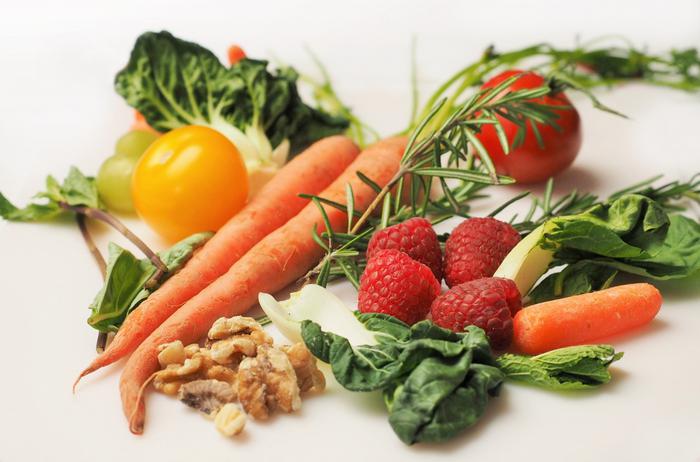
Image from Pxhere (Free for commercial use / CC0 Public Domain)
Image published on February 10, 2017
You may also like




Image Reference: https://pxhere.com/en/photo/669281
Recent Posts
- Young Indians at Risk: Understanding Stroke
 Regular health check-ups and healthier habits can also help young adults reduce their stroke risk.
- Can Minors Pay Income Tax in India? Rules Parents Should Know
 Parents and guardians should understand these provisions before filing returns for children.
- NIC Winter Internship 2026: Apply for ₹10,000 Stipend
 Students pursuing BE/BTech, ME/MTech, MCA and relevant computer science programmes are eligible to apply.
WeRIndia – A News Aggregator
Visit werindia.com for all types of National | Business | World | Politics | Entertainment | Health related news and much more..
Leave a Reply