

Monsoon nutrition made simple: Eat smart, stay healthy
Seasonal weather changes influence digestion, immunity, and daily food habits.
Therefore, eating wisely during the monsoon helps reduce the risk of infections while keeping the body energetic and healthy.
Warm, freshly prepared meals should become the foundation of your monsoon diet. They support digestion and lower the chances of food contamination.
Moreover, light dishes such as soups, steamed vegetables, and freshly cooked grains are easier on the stomach. Eating smaller meals at regular intervals also improves digestion and prevents heaviness.
Adding natural immunity boosters to daily meals is equally important. Garlic, ginger, turmeric, and black pepper offer antimicrobial benefits while supporting overall health.
Likewise, spices such as cinnamon, cardamom, and nutmeg promote better digestion. Herbal teas prepared with ginger, tulsi, and honey can further strengthen immunity and soothe the digestive system.
Probiotic foods deserve a place on your plate during the rainy season. Curd and buttermilk help maintain a healthy gut and reduce digestive discomfort.
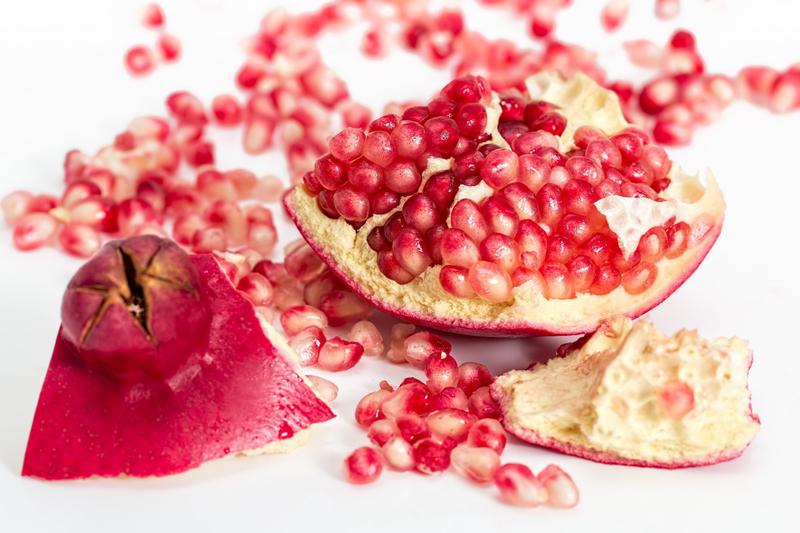
Additionally, moderate portions of almonds, walnuts, raisins, and cashews provide healthy fats and essential nutrients. Seasonal fruits such as pears, pomegranates, jamun, and cherries supply antioxidants and vitamins while remaining gentle on digestion.
Food safety becomes even more important during the monsoon. Wash fruits and vegetables thoroughly before use.
Furthermore, choose boiled, filtered, or warm water to reduce the risk of waterborne diseases. Chewing food slowly also supports nutrient absorption and prevents bloating.
At the same time, certain foods are best limited. Street food often carries a higher contamination risk during humid weather. Similarly, deep-fried snacks and overly spicy meals may trigger acidity and indigestion.
Foods with high water content, including melons and cucumbers, are often avoided because contamination risks increase during heavy rains.
Raw leafy vegetables also require extra caution. Instead of eating them uncooked, cook them thoroughly to destroy harmful microorganisms.
Likewise, reducing excess salt helps prevent water retention and bloating. Seafood should also be consumed carefully, as the monsoon coincides with the breeding season for wide varieties, increasing contamination risks.
A balanced monsoon diet built around fresh, warm, nutritious foods supports immunity and digestion throughout the season.
However, personalised guidance from a qualified nutritionist or dietitian can help address individual health needs and dietary goals.
Image from Pxhere (Free for commercial use / CC0 Public Domain)
Image published on April 06, 2017
You may also like




Image Reference: https://pxhere.com/en/photo/1369276
Recent Posts
- Assam farmer’s notable journey, from ₹6 a day to an ₹80 lakh farm
 While many farmers in Upper Assam are turning to tea cultivation, Handique remains committed to farming.
 - Dussehra 2026: Date, Puja Muhurat, Rituals and Significance
 Vijay Muhurat is traditionally regarded as a favourable period for beginning important activities.
 - FSSAI Tightens Food Safety Rules for Perishable Items
 Indian Railways and its regional directors have also been directed to ensure vigilance.
WeRIndia – A News Aggregator

Visit werindia.com for all types of National | Business | World | Politics | Entertainment | Health related news and much more..