

When Stress Settles in the Stomach
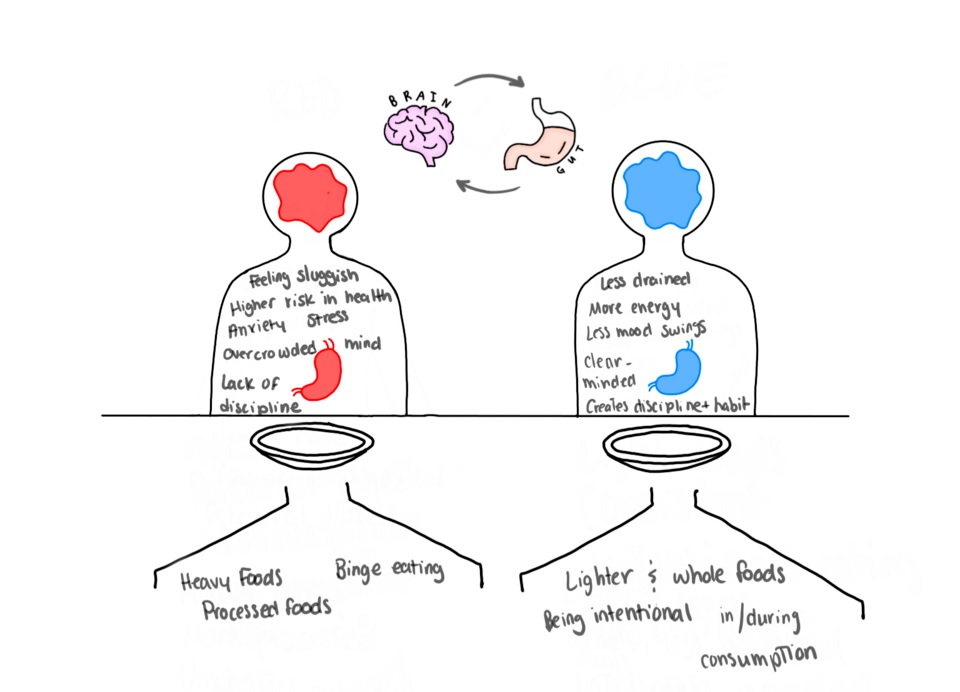
Modern life often places pressure on both the mind and body. However, many people overlook how closely emotions connect with digestion.
The brain and digestive system constantly exchange signals through nerves, hormones, and gut bacteria. As stress increases, this communication changes quickly, and the stomach often reacts first.
During stressful moments, digestion may either slow down or speed up. As a result, some people experience bloating or a heavy feeling after meals.
Others may notice cramping, loose stools, or sudden restroom urgency. Even short periods of tension can make the stomach feel unusually sensitive.
Stress also affects stomach acid production. Consequently, people may feel nausea, burning, or warmth after eating.
At the same time, digestive muscles can tighten, which makes normal stomach activity feel uncomfortable or sharp.
Furthermore, ongoing emotional strain may disturb the balance of healthy gut bacteria. When this balance changes, digestion often becomes unpredictable.
Although symptoms differ from person to person, several signs commonly appear during stressful periods.
People frequently report bloating, constipation, loose stools, appetite changes, nausea, or pressure after meals. In many cases, these symptoms become stronger during emotionally demanding or busy days.
Fortunately, small daily habits can support digestion during stressful phases. For instance, a short walk after meals may help food move comfortably through the digestive tract.
Likewise, slow breathing exercises can relax the body and reduce stomach tightness. Many people also tolerate lighter meals better during high-stress days.
In addition, tracking symptoms in a notebook may help identify patterns and reduce unnecessary worry.
These lifestyle changes offer comfort, yet they do not replace medical care. Therefore, persistent digestive issues should never be ignored.
It is important to speak with a doctor if symptoms continue even after stress levels improve. Medical advice also becomes necessary when stomach discomfort interrupts sleep, work, or daily activities.
Certain warning signs require immediate attention. These include blood in the stool, severe stomach pain, repeated vomiting, dizziness, or difficulty drinking fluids.
Prompt medical care can help prevent serious complications and provide the right treatment early.
Image Credit: Sophiachicoin0e, CC0 1.0, via Wikimedia Commons
You may also like




Image Reference: https://commons.wikimedia.org/wiki/File:The_Gut-Brain_Health.png

Recent Posts
- FSSAI Tightens Food Safety Rules for Perishable Items
 Indian Railways and its regional directors have also been directed to ensure vigilance.
 - Cancer drug prices set for major cut as NPPA caps trade margins
 The move could offer meaningful financial relief to cancer patients, particularly those requiring prolonged treatment.
 - Sudarsan Pattnaik creates Unique 10-Foot Maa Durga installationCelebrating the spirit of Durga Puja through creativity, renowned sand artist and Padma Shri awardee Sudarsan Pattnaik has created a stunning 10-foot installation of Maa Durga at Puri Sea Beach. Crafted in just five hours using 8 tonnes of sand, 22 varieties of vegetables and 10 types of fruits, the artwork conveys his heartfelt festive wishes and showcases the beauty of artistic innovation.
WeRIndia – A News Aggregator

Visit werindia.com for all types of National | Business | World | Politics | Entertainment | Health related news and much more..
Leave a Reply