

Night Vision Problems? Protect Your Eyes Naturally with these tips
Clear vision in low light is essential for safe driving and everyday activities. However, many people struggle to see clearly after sunset or when entering dark spaces.
Although poor night vision can have several causes, healthy eye care habits may help improve visual comfort and protect long-term eye health.
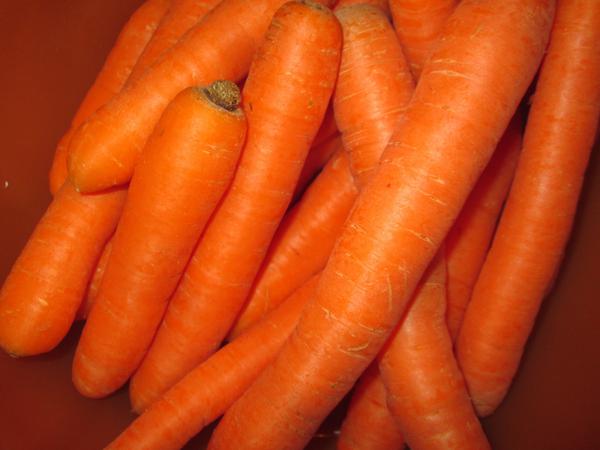
A balanced diet supports healthy vision. Carrots, sweet potatoes and eggs provide vitamin A or its precursors, which help the retina function properly in dim light.
Meanwhile, spinach, kale and other leafy greens contain lutein and zeaxanthin. Fish such as salmon also supplies omega-3 fatty acids.
However, no single food can guarantee better night vision. A nutritious diet works best when it addresses your body’s nutritional needs.
Vitamin A deficiency can cause night blindness. Other nutrients, including vitamins C and E, zinc and carotenoids, also support eye health. Nevertheless, supplements are not a universal solution for poor night vision.
Therefore, consult a healthcare professional before taking high-dose supplements. Excessive vitamin A can cause serious side effects.
Extended screen use can contribute to eye strain and dryness. Follow the 20-20-20 rule: every 20 minutes, look at an object about 20 feet away for 20 seconds.
Additionally, blink regularly and take breaks during prolonged screen sessions. Eye exercises may ease discomfort, but they have not been proven to improve night vision caused by underlying eye conditions.
Glare from headlights can make night driving difficult. Clean your windshield, mirrors and glasses before travelling. Also, keep your headlights properly aligned and reduce dashboard brightness.
Avoid staring directly at oncoming headlights. Instead, focus towards the right edge of your lane when necessary. Most importantly, never drive when fatigue or poor visibility makes the journey unsafe.
Dry eyes can cause fluctuating or blurred vision. Drink enough water, get adequate sleep and consider lubricating eye drops if needed. If dryness persists, seek professional advice.
Bright screens may contribute to eye discomfort, particularly in dark surroundings. Lower screen brightness in the evening and maintain comfortable room lighting. However, reducing blue light exposure has not been shown to directly improve night vision.
Persistent night vision difficulties may indicate cataracts, retinal disorders or vitamin A deficiency.
Regular eye examinations can help identify these problems early. Your eye specialist may recommend updated glasses or appropriate treatment.
An accurate prescription can improve clarity when driving at night. Anti-reflective coatings may reduce distracting reflections on spectacle lenses.
However, yellow-tinted night-driving glasses can reduce the amount of light reaching your eyes. Avoid using tinted lenses in darkness unless your eye specialist advises otherwise.
Your eyes need time to adjust when moving from bright surroundings into darkness.
Rod cells in the retina gradually become more sensitive to low light, and full adaptation can take around 20-30 minutes.
Avoid unnecessary exposure to bright lights during this period. Dim red lighting may preserve dark adaptation better than bright white lighting.
Seek an eye examination if night vision problems persist, worsen or interfere with daily activities. Sudden vision changes require urgent medical assessment.
A balanced diet, regular eye care and safer driving habits support healthy vision.
However, natural remedies cannot replace medical evaluation when poor night vision signals an underlying condition.
Image from Pxhere (Free for commercial use / CC0 Public Domain)
Image published on April 10, 2017
You may also like




Image Reference: https://pxhere.com/en/photo/1388660
Recent Posts
- Night Vision Problems? Protect Your Eyes Naturally with these tips
 A balanced diet, regular eye care and safer driving habits support healthy vision.
 - EPF Withdrawal Rules Simplified: Check Limits and Eligibility
 The simplified framework provides greater flexibility for accessing EPF savings.
 - CSIR-NCL Recruitment 2026: 24 MTS Vacancies
 CSIR-NCL will conduct a competitive written examination for provisionally eligible candidates.
WeRIndia – A News Aggregator

Visit werindia.com for all types of National | Business | World | Politics | Entertainment | Health related news and much more..
Leave a Reply