

Healing healthcare gaps, one village at a time
Founded in 2020 by NIT-Bhopal alumni Akanksh Tandon, Saket Asati, and Ankur Chourasia, DigiQure emerged from a shared concern about the lack of quality healthcare in rural India.
Having witnessed firsthand how delayed medical access could lead to tragic outcomes, the founders set out to create a solution tailored for underserved communities rather than urban markets.
The startup built a phygital healthcare model that combines physical clinics with telemedicine services.
Instead of relying solely on smartphone applications, DigiQure established clinics in villages and small towns where trained healthcare workers conduct initial screenings using diagnostic devices.
Patients are then connected to qualified doctors through video consultations, enabling specialist care without long-distance travel.
To make healthcare affordable, DigiQure introduced the Saksham health card, which offers unlimited teleconsultations for a family of four at just ₹1 per day.
The model addresses two critical barriers in rural healthcare: cost and accessibility. Prescriptions are provided in local languages, while laboratory services, pharmacies, and hospital referrals are integrated into the platform.
The startup gained early traction across Madhya Pradesh, particularly in the Sagar and Bhopal districts.
By mid-2023, DigiQure had built a network of over 50 doctors from 10 hospitals and attracted thousands of subscribers.
More importantly, it enabled patients in remote areas to access qualified medical professionals instead of depending on untrained practitioners.
DigiQure’s appearance on Shark Tank India further accelerated its growth journey. The founders sought ₹40 lakh to expand their e-clinic network and ultimately secured a deal from investor Namita Thapar, whose healthcare expertise aligned closely with the startup’s mission.
The investment not only provided capital but also strengthened the company’s credibility within the healthcare ecosystem.
Following the show, DigiQure expanded its diagnostic capabilities through partnerships with medical device startups, incorporating tools such as digital stethoscopes and portable ECG systems.
These additions enhanced the accuracy of remote consultations and improved patient outcomes.
By serving more than 20,000 people, DigiQure has demonstrated the potential of technology-driven primary healthcare in rural India.
Rather than competing with hospitals, the startup focuses on becoming the first point of care, helping patients access timely diagnosis and specialist support.
DigiQure’s journey highlights how innovation, affordability, and community trust can come together to address one of India’s most pressing challenges.
As it continues to expand, the startup is steadily building a healthcare model that reaches people where traditional systems often fall short.
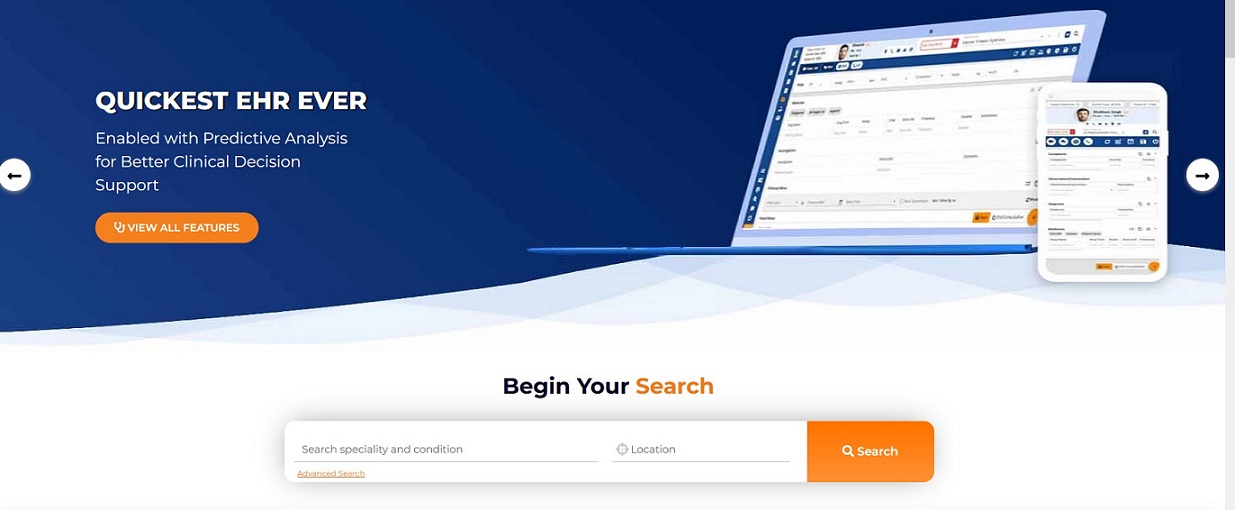
Image Credit: Digiqure Website Screenshot
You may also like




Image Reference: https://digiqure.com/
Recent Posts
- Navratri Fasting 2026: Eat Right, Stay Energised
 Fasting requires caution for people with diabetes, heart conditions or other medical problems.
 - GST Council Pushes Faster Compliance and Refunds
 The GST Council is examining measures to make GST compliance easier for small taxpayers.
 - SBI SCO Recruitment 2026 for Wealth Management posts
 Candidates must register and pay the application fee online through the SBI recruitment portal.
WeRIndia – A News Aggregator

Visit werindia.com for all types of National | Business | World | Politics | Entertainment | Health related news and much more..
Leave a Reply