

India clears path for E100 fuel, challenges remain
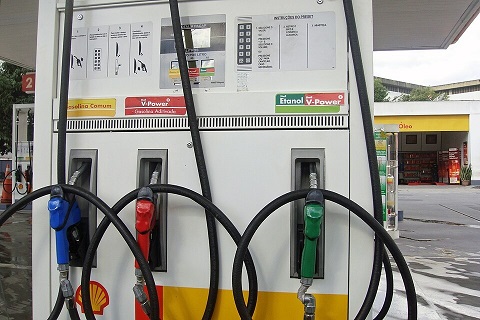
India has taken a major step in its alternative-fuel journey by approving regulations for E100-compatible vehicles.
The move, announced by Union Road Transport and Highways Minister Nitin Gadkari, creates a legal framework for automobiles capable of running on fuel containing nearly 100 per cent ethanol.
As a result, automakers can now accelerate the development and launch of flex-fuel and high-ethanol vehicles in the country.
E100 fuel typically contains around 93-95 per cent ethanol, while the remaining portion consists of petrol and additives that improve performance and safety.
The approval marks a shift beyond India’s ongoing E20 programme and opens the door to higher ethanol blends such as E85 and E100.
The new rules particularly benefit flex-fuel vehicles, which can automatically adjust to varying ethanol and petrol mixtures.
Manufacturers including Maruti Suzuki, Toyota, Hyundai, MG and Hero MotoCorp have already showcased or developed ethanol-compatible models.
However, existing E20 vehicles cannot use E100 without significant modifications. High-ethanol fuels require specialised fuel systems, corrosion-resistant components, revised engine calibration and advanced sensors.
While the regulatory hurdle has been cleared, fuel availability remains a key challenge. The government plans to establish flex-fuel dispensing infrastructure across major corridors and cities over the next few years.
Dedicated storage and handling systems will be essential because ethanol is more sensitive to moisture contamination than petrol.
Supporters view E100 as a strategic tool to reduce India’s dependence on imported crude oil. Ethanol blending has already generated foreign-exchange savings exceeding ₹1.44 lakh crore and helped reduce crude oil consumption.
Moreover, greater ethanol demand could provide additional income opportunities for farmers, sugar mills and grain processors, strengthening the rural economy.
Environmental benefits also form part of the argument. Ethanol can lower certain vehicle emissions and reduce lifecycle greenhouse-gas output compared with conventional petrol.
However, these benefits depend on how the ethanol is produced and the resources used during cultivation and processing.
Despite its potential, E100 faces practical hurdles. Ethanol contains less energy per litre than petrol, which may reduce fuel economy.
Therefore, consumer acceptance will depend on competitive pricing, widespread fuel availability and affordable vehicle options.
The approval of E100 regulations represents a significant milestone in India’s multi-fuel transport strategy.
However, its long-term success will depend on coordinated progress in vehicle technology, fuel infrastructure, sustainable ethanol production and consumer adoption.
Image Credit: Mariordo (Mario Roberto Duran Ortiz), CC BY-SA 3.0, via Wikimedia Commons
You may also like



Image Reference: https://commons.wikimedia.org/wiki/File:Tambore_ethanol_pump_SAO_01_2011_800.JPG

Recent Posts
- Indowud NFC: Waste to Wood
 Indowud has further demonstrated the material’s potential through real-world projects.
 - NCW Seeks Safer Rides for Women
 The NCW has also stressed the importance of safe drop-offs.
 - Major Shipbuilding Projects Launched in VizagDefence Minister Rajnath Singh inaugurated major indigenous shipbuilding and maritime infrastructure projects at Hindustan Shipyard Limited in Visakhapatnam. The launch marks a push to strengthen India’s domestic shipbuilding capabilities and expand its presence in global maritime markets.
WeRIndia – A News Aggregator

Visit werindia.com for all types of National | Business | World | Politics | Entertainment | Health related news and much more..