

Jackfruit Peel Innovation Offers New Hope for Fluoride Removal
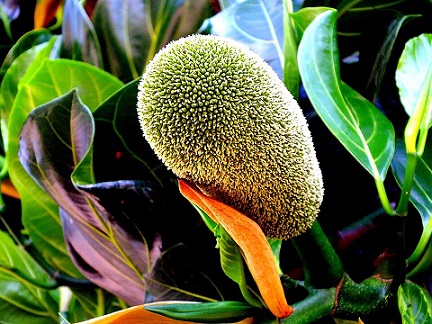
Agricultural waste could hold the key to cleaner drinking water.
Researchers at the National Institute of Technology (NIT) Rourkela have developed an innovative material from discarded jackfruit peels that can remove excess fluoride from contaminated water.
The research team converted jackfruit peels into activated carbon and modified it with zirconium to enhance its ability to capture fluoride.
In laboratory experiments, the material removed more than 90% of fluoride within around 10 minutes under the tested conditions. Removal efficiency reached 97% within 10–20 minutes.
Professor Susmita Mishra from NIT Rourkela’s Department of Chemical Engineering and research graduate Dr Pratima Minz led the work.
The team tested the material on water containing fluoride concentrations of approximately 1–5 milligrams per litre. The researchers have also secured a patent for the technology.
Fluoride occurs naturally in water. However, prolonged exposure to excessive levels can cause fluorosis, affecting teeth and bones in children and adults.
Therefore, affordable and effective treatment options remain important in areas facing fluoride contamination.
Conventional methods, such as reverse osmosis, ion exchange and activated alumina, have certain limitations.
For example, reverse osmosis can generate wastewater and remove beneficial minerals. Against this backdrop, the jackfruit peel-based material offers an alternative worth exploring.
Moreover, the innovation gives discarded agricultural waste a potential second life. Instead of treating jackfruit peels as rubbish, researchers are using them as a resource for developing functional water treatment materials.
The team estimates the preparation cost at around ₹37 per gram, based on the electricity and chemicals required for synthesis.
However, this figure does not establish the final cost of a commercially usable purification system.
Despite its promising results, the technology is not yet ready for household use. It currently stands at Technology Readiness Level 4, indicating validation in a laboratory environment.
The next steps include developing a physical prototype and evaluating long-term performance, operating costs and practical suitability.
Further testing will also be essential before deployment at household or community levels.
The innovation combines waste utilisation with water treatment research.
If future trials prove successful, discarded jackfruit peels could become a valuable raw material in efforts to improve drinking water quality.
Image Credit: Shiv’s fotografia, CC BY-SA 4.0, via Wikimedia Commons
You may also like


Image Reference: https://commons.wikimedia.org/wiki/File:The_KING_of_Fruits.jpg

Recent Posts
- Jackfruit Peel Innovation Offers New Hope for Fluoride Removal
 The innovation combines waste utilisation with water treatment research.
- Delhi Deploys 250 Officials Ahead of BS-VI Vehicle Crackdown
 According to officials, 39 specialised teams will operate round the clock at 13 major toll plazas.
- Mits Healthcare Gifts SUVs to EmployeesDiwali has brought an extraordinary reward for employees of Panchkula-based Mits Healthcare, as the company gifted Kia Sonet SUVs to recognise their hard work and loyalty. Founder MK Bhatia handed over the vehicles, with the company covering the down payment and adding the EMIs to employees’ salaries. The company had previously gifted 51 cars in 2025 and 15 cars in 2024, continuing its unique employee-recognition initiative.
WeRIndia – A News Aggregator

Visit werindia.com for all types of National | Business | World | Politics | Entertainment | Health related news and much more..
Leave a Reply