

Pongal 2026: A festival of harvest and gratitude
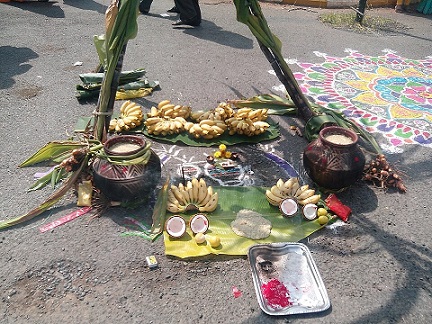
Pongal is one of the most significant harvest festivals in India and holds special importance in Tamil culture. It is celebrated by Tamilians across India and in many parts of the world.
The festival coincides with Makar Sankranti, which is observed in several northern and western states.
Together, these celebrations mark the beginning of Uttarayan, when the Sun begins its northward journey.
Pongal highlights humanity’s deep connection with nature, agriculture, and seasonal cycles.
Pongal is observed during the Tai month of the Tamil solar calendar. In 2026, Thai Pongal and Makar Sankranti will be celebrated on Wednesday, January 14.
According to Drik Panchang, the Sankranti moment will occur at 03:13 PM. This timing holds religious significance, as devotees believe it enhances the spiritual benefits of prayers and rituals.
The day is dedicated to worshipping the Sun God, who is considered the source of life and energy.
The festival is celebrated over four days, each carrying a unique meaning. Bhogi Pandigai, observed on January 13, focuses on cleansing and renewal.
People discard old belongings and symbolically burn them to welcome new beginnings. Thai Pongal follows as the main festival day, when families prepare the traditional sweet dish called Pongal.
Rice, milk, and jaggery are cooked together until they boil over, symbolising prosperity and abundance.
Pongal has a rich historical background that dates back to the Chola dynasty. References to the festival appear in ancient manuscripts and temple inscriptions. Some inscriptions from the Chola and Vijayanagara periods even describe detailed Pongal recipes.
A popular legend connects the festival to Lord Shiva and his bull, Basava. According to belief, Basava was sent to Earth to assist humans with farming, explaining the sacred role of cattle.
Mattu Pongal, celebrated on January 15, honours cattle for their contribution to agriculture. Cows are bathed, decorated, and worshipped with great respect.
The final day, Kaanum Pongal, on January 16, focuses on social bonding.
Families visit relatives, go on outings, and enjoy shared meals. Kolam designs, prayers, and gatherings mark the celebrations.
Overall, Pongal promotes gratitude, unity, and respect for nature, placing values far above material wealth.
Image Credit: Thamizhpparithi Maari, CC BY-SA 4.0, via Wikimedia Commons
You may also like




Image Reference:
https://commons.wikimedia.org/wiki/File:Pongal_celebration_in_Salem.jpg

Recent Posts
- At 81, this woman earns medals after learning to swim at 68
 Subbalakshmi's journey began with an unexpected challenge from her grandson, who lives in the United States.
 - Seebi Narasimha Temple: A Sacred Karnataka Shrine
 For devotees, Seebi Narasimha Temple is more than a place of worship.
 - IndiGo to shift 12 international routes to Navi Mumbai by July 2027
 IndiGo plans to support its expanding network with its Airbus A320, A321 and A321XLR fleet.
WeRIndia – A News Aggregator
Visit werindia.com for all types of National | Business | World | Politics | Entertainment | Health related news and much more..