

New tax rules: Will cigarettes and pan masala get costlier?
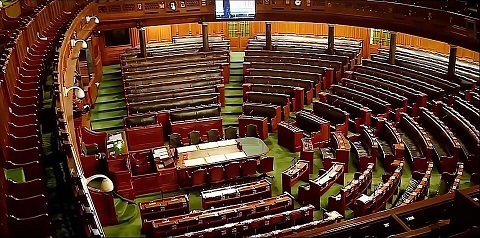
India is preparing for a major shift in how tobacco and pan masala products are taxed.
The government has introduced two new Bills in Parliament to update levies on these demerit goods.
These changes aim to maintain high taxation even after the GST compensation cess ends.
The Central Excise (Amendment) Bill, 2025, replaces the current compensation cess on all tobacco products.
It proposes new excise duties on cigarettes, cigars, hookah, chewing tobacco, zarda, and scented tobacco.
At present, these products carry 28% GST plus a varying cess. The government plans to raise this flat rate to 40% later.
This shift will create a fresh structure for tobacco taxation across the country.
Under the new duty system, the rates depend on the size and type of cigarette.
Non-filter cigarettes up to 65 millimetres may attract a duty of ₹2,700 per 1,000 sticks.
Cigarettes longer than 65 millimetres but not exceeding 70 millimetres may attract ₹4,500 per 1,000 sticks.
Duties on some sizes are rising sharply compared with current rates. For cigars and cheroots, the proposed rate is 25% or ₹5,000 per 1,000 sticks, whichever is higher.
Unmanufactured tobacco may come under a steep 60–70% excise duty.
The second proposal, the Health Security and National Security Cess Bill, 2025, focuses on pan masala and gutka.
The cess will apply to the production capacity of manufacturing units rather than retail sales.
Pan masala will continue to attract the highest GST rate of 40%, and the new cess will add to the overall tax burden on manufacturers.
Many consumers worry that these higher levies will increase retail prices. The new duties are clearly higher than the current ones.
However, some tax experts believe that prices may not rise sharply until the new 40% GST plus cess structure becomes fully effective.
Once that happens, tobacco and pan masala prices may see more noticeable increases.
The Bills state that the new rates will take effect on a date notified by the Central Government in the Official Gazette.
Until then, the current tax system will continue. The upcoming changes will likely influence both market behaviour and consumer choices in the months ahead.
Image Credit: Narendra Modi, CC BY 3.0, via Wikimedia Commons
Source: YouTube at 0:28 min
You may also like




Image Reference:
https://commons.wikimedia.org/wiki/File:Inside_Indian_Parliament.jpg

Recent Posts
- Navratri Fasting 2026: Eat Right, Stay Energised
 Fasting requires caution for people with diabetes, heart conditions or other medical problems.
 - GST Council Pushes Faster Compliance and Refunds
 The GST Council is examining measures to make GST compliance easier for small taxpayers.
 - SBI SCO Recruitment 2026 for Wealth Management posts
 Candidates must register and pay the application fee online through the SBI recruitment portal.
WeRIndia – A News Aggregator

Visit werindia.com for all types of National | Business | World | Politics | Entertainment | Health related news and much more..