

India prepares for a major tax reset from April 2026
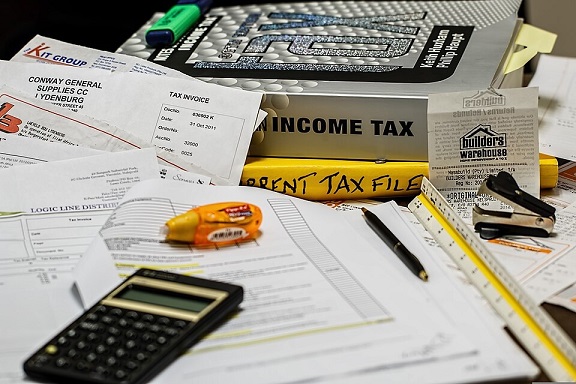
India is entering a decisive phase of tax reform as the government prepares to overhaul its direct and indirect tax systems.
From 1 April 2026, the six-decade-old Income Tax Act, 1961, will be replaced by the Income Tax Act, 2025.
The new law aims to simplify compliance, improve transparency, and make taxation largely digital.
According to officials, the focus is on reducing notices, speeding up refunds, and cutting paperwork.
Therefore, the government wants to create a “fear-free” tax environment. Disputes are expected to reduce, and litigation should decline.
A major weakness of the old law was complexity. Its legal language confused many taxpayers. In contrast, the new Act uses simpler drafting.
This should help individuals understand their obligations without heavy dependence on tax professionals.
Middle-class relief will remain central. Under the new regime, income up to ₹12 lakh is expected to stay tax-free. This benefit follows the concessions announced in the 2025 Budget.
However, the structure is different. The new system does not allow deductions for insurance, home loans, or savings instruments.
Still, lower tax rates and higher exemption limits make the regime attractive, especially for salaried employees.
At the same time, indirect taxes are also stabilising. The revised Goods and Services Tax framework, updated in September 2025, will complete its first full financial year in 2026. As a result, major rate changes are unlikely soon.
Earlier reforms reduced GST rates on around 375 goods and services. Most items now fall under the 5% and 18% slabs. The current focus is on stronger digitisation and transparency to curb tax evasion.
Customs duty reforms are also progressing. The 2025–26 Budget reduced tariff slabs to eight. Additionally, faceless assessment and end-to-end digital processing were introduced.
These changes should ease compliance for importers and exporters. Faster clearances may lower costs and improve India’s global supply chain integration.
However, prices will not fall across categories. Higher taxes and cess on tobacco, cigarettes, and pan masala will continue. These products will remain expensive.
On the other hand, electronics, mobile phones, and certain imported components may become cheaper. Digitisation and rationalised duties could reduce costs.
Overall, India’s tax reset signals a shift toward simplicity, predictability, and technology-driven compliance.
Image Credit: stevepb, CC0 1.0, via Wikimedia Commons
Source: https://pixabay.com/photos/income-tax-calculation-calculate-491626
You may also like




Image Reference: https://commons.wikimedia.org/wiki/File:Income-tax-491626_1920_(1).jpg
.jpg)
Recent Posts
- Night Vision Problems? Protect Your Eyes Naturally with these tips
 A balanced diet, regular eye care and safer driving habits support healthy vision.
 - EPF Withdrawal Rules Simplified: Check Limits and Eligibility
 The simplified framework provides greater flexibility for accessing EPF savings.
 - CSIR-NCL Recruitment 2026: 24 MTS Vacancies
 CSIR-NCL will conduct a competitive written examination for provisionally eligible candidates.
WeRIndia – A News Aggregator

Visit werindia.com for all types of National | Business | World | Politics | Entertainment | Health related news and much more..