

Melmaruvathur Temple: A shrine of equality and faith

Across India, spiritual centres reflect centuries of faith and tradition. Yet the Adhiparasakthi Siddhar Peedam is widely known for its message of equality and inclusive worship.
Located in Melmaruvathur, the shrine is dedicated to Adhiparasakthi, revered by devotees as the universal mother.
Followers believe the goddess manifested in human form as the spiritual leader Bangaru Adigalar, whom devotees lovingly call “Amma.”
Through his guidance, the temple evolved into a spiritual centre that emphasises compassion, simplicity, and social equality.
Unlike many traditional shrines, the site is called a Siddhar Peedam rather than a temple. Devotees believe that 21 Siddhars, or highly evolved spiritual masters, are in Jeeva Samadhi here.
Because of this belief, the Peedam welcomes people from every religion and community. The guiding message followed here is “One Mother, One Race,” which reflects the idea that all human beings belong to the same spiritual family.
One of the most visible traditions at the shrine is the red attire worn by devotees. Visitors usually dress in red robes while offering prayers.
According to temple beliefs, the colour symbolises human blood, which is the same in every person. Therefore, the practice represents unity beyond caste, religion, or social differences.
The temple also follows a distinctive approach to rituals. There are no permanent priests performing worship.
Instead, devotees themselves conduct archanas and abhishekams following the spiritual procedures believed to be guided by the goddess.
Worship groups from different areas take turns serving at the sanctum each day, making the temple a place of collective devotion rather than hierarchical rituals.
A defining feature of the Siddhar Peedam is its strong emphasis on women’s spiritual participation.
Women take active roles in rituals, festivals, and temple services. They perform sacred ceremonies such as yagnas, kumbhabhishekams, and archanas within the sanctum.
Significantly, the temple allows women to worship even during their menstrual periods.
While many traditional temples restrict entry during this time, the Melmaruvathur shrine considers menstruation a natural biological process that should not prevent devotion.
Devotees believe this progressive practice affirms dignity and spiritual equality for women.
For thousands of followers, the Melmaruvathur temple represents more than a religious site.
It stands as a spiritual movement built on faith, equality, and the belief that the divine mother embraces every devotee without discrimination.
Image Credit: Gowtham Sampath, CC BY-SA 4.0, via Wikimedia Commons
You may also like


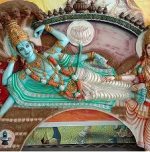
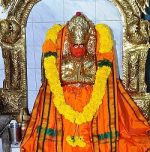
Image Reference: https://commons.wikimedia.org/wiki/File:Melmaruvathur.jpg

Recent Posts
- DGFT Hyderabad Recruitment 2026: Salary ₹60,000 Per Month
 The recruitment is for two Young Professional vacancies in Hyderabad, with a monthly remuneration of ₹60,000.
 - India’s Car Safety Rules Get a Major Overhaul
 EDRs already operate in several major automotive markets.
 - HealthFab: Sustainable Period Care
 HealthFab was founded by Kiriti Acharjee, Saurav Chakraborty and Satyajit Chakraborty, all from Assam.
WeRIndia – A News Aggregator

Visit werindia.com for all types of National | Business | World | Politics | Entertainment | Health related news and much more..