

Delhi’s Winter Pollution Plan
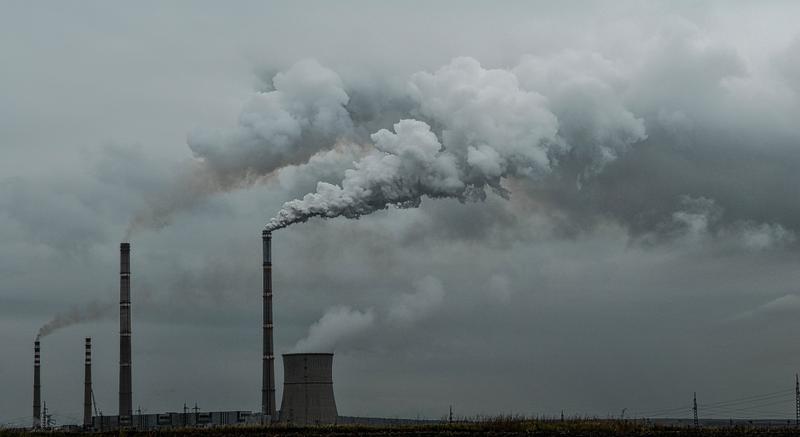
As winter approaches, air pollution remains a major challenge for Delhi, affecting public health, daily travel and the city’s overall environment.
To tackle seasonal smog, the Rekha Gupta-led Delhi government has prepared a Winter Action Plan featuring stricter vehicle rules, workplace changes and measures to control dust.
The plan will come into force on November 1 and remain effective until February 28, 2027. However, certain vehicle restrictions will continue only until January 31, 2027.
Under the new rules, vehicles registered outside Delhi that do not meet BS-VI emission standards will be barred from entering the capital from November 1.
Additionally, the government will enforce the ‘No PUC, No Fuel’ rule. Vehicles without valid Pollution Under Control certificates will not receive petrol, diesel, CNG or LPG at fuel stations. Therefore, motorists must ensure their certificates remain valid before refuelling.
The government will also encourage offices to adopt work-from-home arrangements. Only 50 per cent of employees will be required to attend workplaces physically, covering both government and private offices.
Meanwhile, authorities will promote public transport and carpooling to reduce traffic congestion and vehicle emissions.
Construction activities will face tighter controls during the pollution season. Restrictions on dust-generating demolition and outdoor civil work will begin on November 1 and continue until January 31, 2027.
The government has also outlined a more extensive construction and demolition ban, although the exact implementation schedule requires clarification. Furthermore, AI-enabled cameras will monitor construction sites to improve compliance.
Parking costs will also rise as authorities seek to discourage private vehicle use. Charges at authorised parking facilities will double, encouraging commuters to choose the Delhi Metro and public electric buses instead.
Alongside these measures, the government plans to expand mechanised road sweeping across more than 600 kilometres of roads.
Officials have identified 854 roads across 250 municipal wards for these operations. This initiative aims to reduce dust accumulation and limit pollution from road surfaces.
In addition, the government has approved a five-year partnership with IIT Delhi to investigate the sources of PM2.5 and PM10 pollution. The findings could help authorities develop more targeted solutions.
Delhi’s Winter Action Plan combines transport reforms, dust control and scientific research.
Its effectiveness will depend on consistent enforcement, public cooperation and timely implementation throughout the winter months.
Image from Pxhere (Free for commercial use / CC0 Public Domain)
Image published on April 06, 2017
You may also like


Image Reference: https://pxhere.com/en/photo/1370585
Recent Posts
- YLEM: Turning Waste into Sustainable Design
 New Delhi-based design and research studio that transforms discarded materials into valuable, functional products.
- Delhi’s Winter Pollution Plan
 Vehicles without valid Pollution Under Control certificates will not receive petrol, diesel, CNG or LPG at fuel stations.
- FSSAI Plans Ban on Added Sugars in Baby FoodFSSAI plans to ban added fructose and sucrose in baby food for infants up to six months old. The proposal aims to safeguard infant nutrition and promote healthier feeding practices.
WeRIndia – A News Aggregator
Visit werindia.com for all types of National | Business | World | Politics | Entertainment | Health related news and much more..
Leave a Reply