

Nutrition and lung cancer: How your diet can protect your health
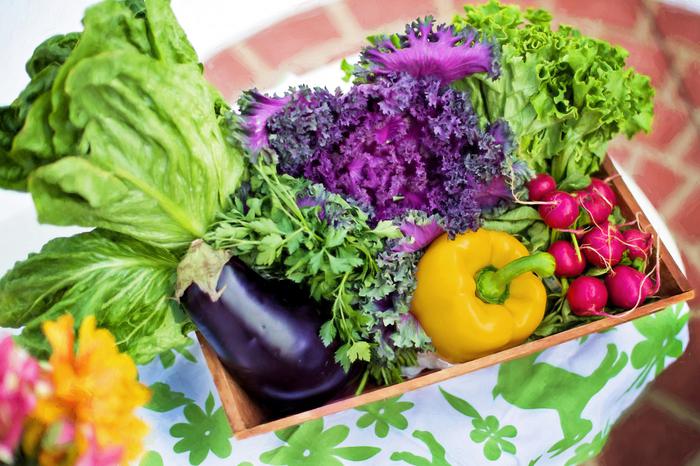
What you eat has a profound impact on your overall health, including your risk of developing cancer.
Research shows that a healthy diet rich in essential nutrients can help reduce the risk of obesity, heart disease, type 2 diabetes, and certain cancers, including lung cancer.
Importantly, these benefits come primarily from whole foods, rather than supplements.
One of the most powerful strategies is a plant-based diet. Diets high in fruits and vegetables provide the body with vital nutrients that may lower cancer risk.
While scientists are still studying the exact types and amounts needed, many experts recommend filling at least half of your plate with fresh produce at every meal.
Cruciferous vegetables such as broccoli, cauliflower, cabbage, bok choy, and Brussels sprouts contain sulforaphane, a sulfur-rich compound believed to fight cancer, and indole-3-carbinol, which helps repair cell damage caused by carcinogens.
These compounds may prevent cells from mutating and becoming cancerous.
Orange fruits and vegetables like oranges, tangerines, peaches, papayas, red bell peppers, and carrots contain beta-cryptoxanthin, a natural pigment with protective effects.
Studies suggest that high levels of beta-cryptoxanthin can reduce the risk of lung cancer development and progression.
Leafy greens, including spinach, kale, broccoli, and romaine lettuce, are rich in folate, a B vitamin essential for cellular repair.
Folate helps protect cells from tobacco-related damage, making it particularly beneficial for current and former smokers. Smoking and alcohol consumption can deplete folate, emphasising the need for a folate-rich diet.
Equally important is reducing intake of red and processed meats and added sugars. A diet high in these foods can contribute to excess body weight and elevated blood sugar, both of which are linked to higher cancer risk.
Sugar can also influence insulin levels and growth factors, potentially promoting cancer cell growth.
For personalised guidance, consult specialists at Moffitt Cancer Centre. With a deep understanding of lung cancer science and individualized care, Moffitt offers expert advice on diet, prevention, and treatment strategies tailored to your needs.
Eating a balanced, nutrient-rich diet, focusing on fruits and vegetables, and limiting harmful foods can be a meaningful step toward reducing your lung cancer risk and supporting long-term health.
Image from Pxhere (Free for commercial use / CC0 Public Domain)
Image Published on May 26, 2020
You may also like


Image Reference: https://pxhere.com/en/photo/1614636
Recent Posts
- DGFT Hyderabad Recruitment 2026: Salary ₹60,000 Per Month
 The recruitment is for two Young Professional vacancies in Hyderabad, with a monthly remuneration of ₹60,000.
 - India’s Car Safety Rules Get a Major Overhaul
 EDRs already operate in several major automotive markets.
 - HealthFab: Sustainable Period Care
 HealthFab was founded by Kiriti Acharjee, Saurav Chakraborty and Satyajit Chakraborty, all from Assam.
WeRIndia – A News Aggregator
Visit werindia.com for all types of National | Business | World | Politics | Entertainment | Health related news and much more..