

Navratri Fasting 2026: Eat Right, Stay Energised
Navratri is more than nine days of devotion, dance and celebration.
For many devotees, it is also a time to follow mindful eating and fasting practices while seeking blessings from Goddess Durga.
As Navratri approaches this year, many families are preparing traditional meals and planning their fasting routines.
However, fasting does not mean surviving on fried snacks or skipping food for long hours. A balanced approach can help maintain energy while following customary dietary restrictions.
What Can You Eat During Navratri?
- Navratri fasting allows several nutritious foods. Kuttu, singhara and rajgira can replace regular wheat-based foods. Samak rice is another popular option.
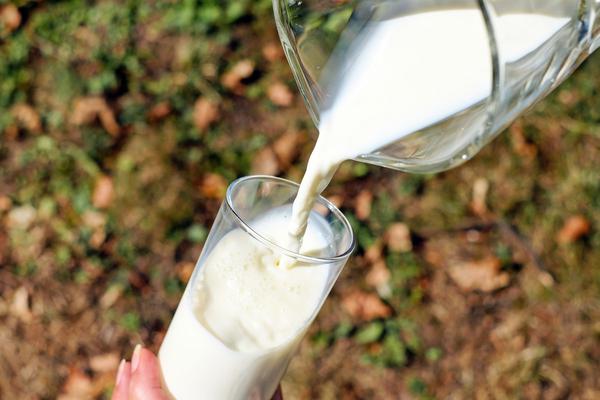
- Dairy products such as milk, curd, paneer, buttermilk and ghee are commonly included. Fruits, nuts and seeds can provide essential nutrients throughout the day.
- Vegetables such as potatoes, sweet potatoes, pumpkin, bottle gourd and cucumber are also widely consumed. Sabudana, makhana, honey and sendha namak are other common fasting ingredients.
Foods to Avoid
- Regular grains such as wheat, rice, maize and semolina are generally avoided during fasting. Lentils and beans are also excluded from most fasting diets.
- Many devotees avoid onion, garlic, brinjal, cauliflower and mushrooms. Common salt is replaced with rock salt. Eggs, meat and fish are avoided as well.
- It is also better to limit packaged foods, sugary drinks, alcohol and heavily fried preparations.
How to Fast Without Losing Energy
- Hydration should remain a priority. Drink enough water and consider coconut water or light buttermilk.
- Try to combine carbohydrates, protein and healthy fats in your meals. For example, pair sabudana with peanuts or curd instead of eating it alone.
- Choose smaller meals at regular intervals. Also, limit oil and deep-fried foods. Kuttu puri and pakoras may be traditional favourites, but excessive fried food can leave you feeling sluggish.
- Planning meals in advance can also help. Prepare samak dishes, pumpkin sabzi or other suitable foods beforehand.
- Most importantly, listen to your body. Maintain adequate sleep and reduce strenuous activity if you feel weak or dizzy.
Fasting requires caution for people with diabetes, heart conditions or other medical problems.
Pregnant and breastfeeding women, children and older adults should avoid strict fasting unless medically advised.
People taking regular medicines should also consult their doctor before changing their eating pattern.
If a nine-day fast feels difficult, some devotees may choose to fast on selected days instead. The aim should be to observe Navratri safely without compromising health.
This Navratri, let fasting be about mindful eating, devotion and well-being rather than extreme food restriction.
Image from Pxhere (Free for commercial use / CC0 Public Domain)
Image published on January 26, 2017
You may also like
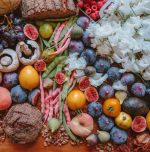
Image Reference: https://pxhere.com/en/photo/548413
Recent Posts
- Navratri Fasting 2026: Eat Right, Stay Energised
 Fasting requires caution for people with diabetes, heart conditions or other medical problems.
 - GST Council Pushes Faster Compliance and Refunds
 The GST Council is examining measures to make GST compliance easier for small taxpayers.
 - SBI SCO Recruitment 2026 for Wealth Management posts
 Candidates must register and pay the application fee online through the SBI recruitment portal.
WeRIndia – A News Aggregator

Visit werindia.com for all types of National | Business | World | Politics | Entertainment | Health related news and much more..
Leave a Reply