

Rice and diabetes: Smarter choices
Managing diabetes does not mean removing every favourite food from your plate.
Instead, thoughtful choices can help create a balanced and sustainable eating routine.
Rice remains a common part of Indian meals. However, many people believe that diabetes requires completely avoiding it. This is not necessarily true.
The variety, portion size, preparation method, and complete meal composition all influence its impact on blood sugar.
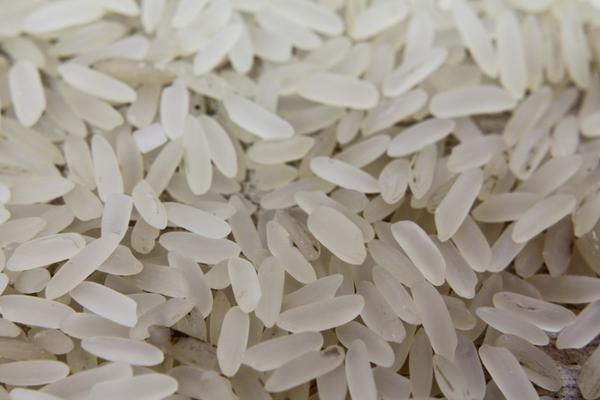
Brown rice often receives attention as the healthier alternative. However, it is not the only option. Traditional rice varieties and minimally polished rice can also provide suitable choices.
Some varieties may have a lower glycaemic index (GI), which means they can cause a slower rise in blood glucose.
Therefore, choosing the right rice matters. Look for varieties with higher fibre and minimal processing.
Traditional processing methods may also help retain nutrients. However, consumers should check GI-related claims carefully and rely on trustworthy information.
Highly polished rice generally undergoes greater processing. This can remove parts of the grain that contain fibre and nutrients.
Consequently, less polished varieties may offer nutritional advantages. Still, portion control remains important regardless of the rice variety.
Completely skipping rice may appear like an effective way to manage diabetes. However, severe restrictions can become difficult to maintain.
They may increase cravings and encourage overeating later. A realistic eating pattern is easier to follow consistently.
Instead, build balanced meals around sensible portions. Combine rice with vegetables, pulses, protein-rich foods, and healthy fats.
This approach can make meals more filling and nutritionally balanced. Moreover, regular meal timing and mindful portions can support better dietary habits.
Individual responses to rice can also differ. Blood glucose levels may vary based on activity, medication, portion size, and other foods eaten.
Therefore, people with diabetes should consider professional dietary guidance when making significant changes.
Rice does not have to be treated as the enemy. The goal should be smarter selection rather than unnecessary elimination.
Choose less processed options, watch portions, and create balanced meals.
Most importantly, healthy eating should feel practical and sustainable.
With informed decisions, people with diabetes can continue enjoying rice while working towards better long-term dietary habits.
Image from Pxhere (Free for commercial use / CC0 Public Domain)
Image published on March 02, 2017
You may also like



Image Reference: https://pxhere.com/en/photo/928891
Recent Posts
- Smog-Eating Roads: A New Approach to Tackling Air Pollution
 Photocatalytic coatings are a potential supplementary measure, not a complete solution to urban air pollution.
 - Nagastra-1R: India Boosts Precision Strike Power
 Nagastra-1R carries a one-kilogram high-explosive fragmentation warhead designed for soft-skinned targets.
 - Forest Worker Saves Elephants from Train CollisionA major railway accident was narrowly avoided in West Bengal after forest worker Akash Kerketta alerted authorities to a herd of elephants on the Bagdogra-Naxalbari railway line. His swift action helped move the elephants to safety before the approaching Sikkim Mahananda Express could collide with them.
WeRIndia – A News Aggregator
Visit werindia.com for all types of National | Business | World | Politics | Entertainment | Health related news and much more..