

Dussehra 2026: Date, Puja Muhurat, Rituals and Significance
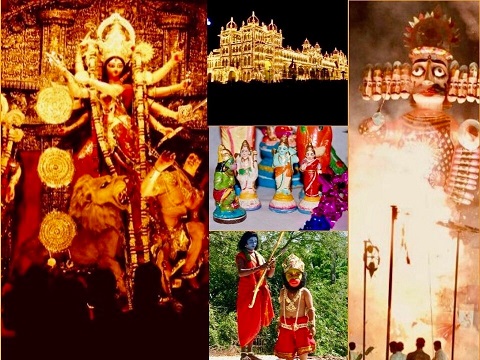
Dussehra celebrates the enduring belief that truth and righteousness ultimately prevail over evil.
Also known as Vijayadashami or Dasara, the Hindu festival will be observed on Tuesday, October 20, 2026, across India.
The festival holds special significance for devotees of Lord Rama and Goddess Durga.
While some communities celebrate Lord Rama’s victory over Ravana, others mark Goddess Durga’s triumph over Mahishasura.
Meanwhile, in eastern India, Vijayadashami brings the annual Durga Puja festivities to a close.
Dussehra 2026: Date and Dashami Tithi Timings
Dussehra falls on the tenth day, or Dashami Tithi, of the bright fortnight of the Hindu lunar month of Ashwin.
According to the Panchang timings provided, the important dates and timings are:
- Dussehra: Tuesday, October 20, 2026
- Dashami Tithi begins: 12:20 am on October 20
- Dashami Tithi ends: 1:41 am on October 21
- Shravana Nakshatra begins: 3:08 am on October 19
- Shravana Nakshatra ends: 5:32 am on October 20
Vijayadashami is considered an auspicious day for worship, new beginnings and traditional religious observances.
Vijay Muhurat lasts 44 minutes and is traditionally associated with success and victory.
However, auspicious timings can vary by location. Devotees should consult their local Panchang before performing rituals.
According to the Ramayana, Lord Rama defeated Ravana, the king of Lanka, to rescue Goddess Sita.
This victory represents the triumph of righteousness over arrogance and wrongdoing. Consequently, many communities organise Ramlila performances and burn effigies of Ravana, Kumbhakarna and Meghnad.
Another important tradition celebrates Goddess Durga’s victory over Mahishasura. In West Bengal and other eastern regions, Vijayadashami marks the conclusion of Durga Puja.
Devotees perform farewell rituals and participate in Durga Visarjan, symbolising the goddess’s departure for her divine abode.
Several customs form part of Vijayadashami celebrations, although practices differ across regions.
- Shami Puja: Devotees worship the Shami tree, traditionally associated with victory and prosperity.
- Aparajita Puja: Worshippers honour Goddess Aparajita, who symbolises victory and protection.
- Seema Avalanghan: This ritual involves symbolically crossing boundaries and is associated with new ventures.
- Ravana Dahan: Communities burn Ravana’s effigy to represent the destruction of evil.
- Durga Visarjan: Devotees bid farewell to Goddess Durga through traditional rituals and idol immersion.
What Is the Significance of Vijay Muhurat?
Vijay Muhurat is traditionally regarded as a favourable period for beginning important activities.
Some devotees choose this time for educational pursuits, professional ventures and other new beginnings. However, specific practices depend on family beliefs and regional customs.
In northern and western India, Ramlila performances and Ravana Dahan remain prominent attractions.
In eastern India, families and communities mark the end of Durga Puja with farewell ceremonies and idol immersion.
Meanwhile, southern states observe Vijayadashami through worship, cultural traditions and the conclusion of Navratri celebrations.
Despite these differences, Dussehra carries a shared message of hope, courage and faith.
The festival reminds people to uphold righteousness and overcome negative forces through determination and good deeds.
Image Credit: Ms Sarah Welch, CC BY-SA 4.0, via Wikimedia Commons
You may also like


Image Reference: https://commons.wikimedia.org/wiki/File:Navaratri_Navratri_Dasara_Dussehra_festival_images_and_celebrations_collage.jpg

Recent Posts
- Assam farmer’s notable journey, from ₹6 a day to an ₹80 lakh farm
 While many farmers in Upper Assam are turning to tea cultivation, Handique remains committed to farming.
- Dussehra 2026: Date, Puja Muhurat, Rituals and Significance
 Vijay Muhurat is traditionally regarded as a favourable period for beginning important activities.
- FSSAI Tightens Food Safety Rules for Perishable Items
 Indian Railways and its regional directors have also been directed to ensure vigilance.
WeRIndia – A News Aggregator

Visit werindia.com for all types of National | Business | World | Politics | Entertainment | Health related news and much more..
Leave a Reply