

India’s wellness shift: Functional foods move into everyday diets
India’s food landscape is undergoing a quiet transformation. In supermarkets across major cities, regular staples now sit beside foods enhanced with added iron, probiotics, plant protein, and micronutrients.
This marks the rise of functional foods, everyday items designed to offer targeted health benefits rather than simple nourishment.
Functional foods fall into three clear groups. First are naturally nutrient-rich foods like turmeric, millets, and oats.
Second are fortified essentials such as iron-rich wheat flour or vitamin-D milk that address common deficiencies.
Third are science-backed products like probiotic yoghurt, kombucha, and cholesterol-lowering spreads aimed at specific functions.
The underlying idea is to let food contribute to long-term wellness instead of relying only on supplements or medicines.
India’s growing interest in these products stems from persistent nutritional challenges.
Despite improved food availability, malnutrition continues: child stunting, anaemia, and lifestyle disorders remain common.
Consumers are also increasingly sceptical of pills and powders, preferring natural, food-based solutions.
Added to this are rising incomes, urban routines, and social media-led awareness, all of which make healthier food choices more appealing.
Government efforts are supporting this shift. FSSAI’s push for fortification and nutrition programs has boosted awareness nationwide.
E-commerce and quick delivery services have also made it easy for consumers to discover and try new functional products.
Globally, Japan, the US, and Europe lead in functional food innovation, and India is now seen as one of the fastest-growing markets.
The strongest demand is currently in three areas: gut health products such as fermented drinks; immunity-supporting staples; and emerging mental wellness foods infused with ashwagandha, brahmi, or omega-3s.
Although the category is expanding quickly, India still has room to grow in child nutrition, rural affordability, and balanced ready-to-cook meals.
Challenges include confusing claims, higher prices, and regulatory grey zones.
Tips for Choosing Functional Foods
- Read labels carefully: Look for clear nutrient information and avoid vague claims.
- Choose daily-use items: Fortified staples often offer better value and consistent benefits.
- Check for scientific backing: Prefer products that disclose studies, strains, or nutrient percentages.
- Avoid over-reliance: Use functional foods to complement, not replace, a balanced diet.
By 2030, India’s functional food industry could exceed USD 20 billion, reshaping how health and nutrition are integrated into everyday living.
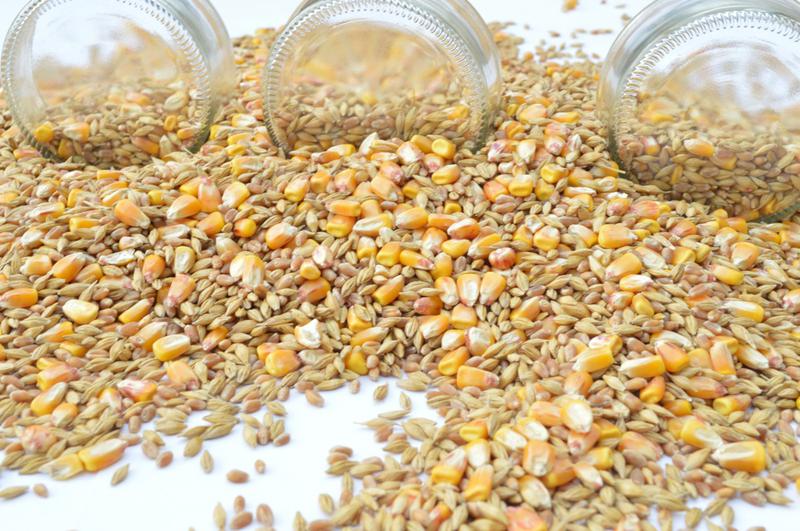
Image from Pxhere (Free for commercial use / CC0 Public Domain)
Image Published on February 24, 2017
You may also like



Image Reference: https://pxhere.com/fr/photo/825181
Recent Posts
- FSSAI Tightens Food Safety Rules for Perishable Items
 Indian Railways and its regional directors have also been directed to ensure vigilance.
 - Cancer drug prices set for major cut as NPPA caps trade margins
 The move could offer meaningful financial relief to cancer patients, particularly those requiring prolonged treatment.
 - Sudarsan Pattnaik creates Unique 10-Foot Maa Durga installationCelebrating the spirit of Durga Puja through creativity, renowned sand artist and Padma Shri awardee Sudarsan Pattnaik has created a stunning 10-foot installation of Maa Durga at Puri Sea Beach. Crafted in just five hours using 8 tonnes of sand, 22 varieties of vegetables and 10 types of fruits, the artwork conveys his heartfelt festive wishes and showcases the beauty of artistic innovation.
WeRIndia – A News Aggregator

Visit werindia.com for all types of National | Business | World | Politics | Entertainment | Health related news and much more..