

What did Hitler want with Vedic Scriptures
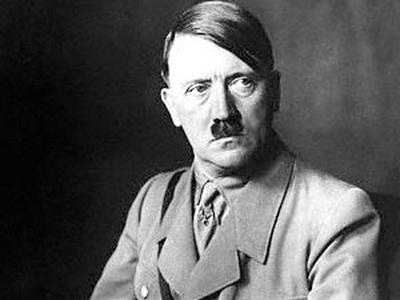
Many know Adolf Hitler as one of the evilest men in human history, leader of the German Nazi party and the cause of World War II. However, few know that Hitler held a secret passion for Indian traditions.
This desire for knowledge of Indian culture led him down many paths, including his search for the legendary land of Shambhala, birthplace of the Kalki avatar.
However, in the same sources that revealed his attempts to find that city, there were also findings that he used certain Vedic scriptures to build some of his missile weapons for the war.
Hitler’s curiosity about ancient Indian scriptures led him to come into contact with an Indian scholar priest from Andhra Pradesh, Dandibhatla Vishwanatha Shastri.
Apparently, this scholar in Vedic scriptures was invited by the scientists and scholars in Munich University in Germany
Due to his obsession with theosophy, Hitler was very interested in the transcription of these writings for anything that could help him.
It was due to these scriptures that he was inspired to make great destructive war missiles since he had heard of the great destructive weapons of Hindu mythology. When he learned about them, he wanted them for his own and got to work on making powerful weapons for his army.
Supposedly, Hitler took interest in this child prodigy scholar and had him translate the scriptures of the Karma Kand Bhaga from the Yajurveda and the Mantra Prayoga Bhaga from the Atharva veda.
The information from these scriptures helped him design the V-8 rocket missile, called the “Buzz Bomb”. The success of the missile designed from those scriptures inspired Hitler to later take expeditions to India and Tibet.
He was searching for further information that could help his army win the war, and also went on an unsuccessful mission to find the legendary city of Shambhala while he was there.
You may also like



Image Reference: https://commons.wikimedia.org/wiki/File:Adolf-hitler-1.jpg

Recent Posts
- Everyday Eating Habits Ayurveda Says to Rethink
 Meal timing, portion size, food combinations and digestive capacity also influence everyday eating habits.
 - Demat Account: How to Open One and What You Need
 A Demat Account is opened through a Depository Participant (DP).
 - KVIC Recruitment 2026: Apply for 50 Contractual Posts
 The application must be submitted online by September 30, 2026, at 11:59 PM.
WeRIndia – A News Aggregator

Visit werindia.com for all types of National | Business | World | Politics | Entertainment | Health related news and much more..
Leave a Reply