

How Khyaal is bridging the gap for India’s seniors
Digital technology continues to reshape everyday life, yet many older adults still struggle to keep up with rapidly evolving apps and services.
This gap has created a unique opportunity for startups to design technology that truly understands senior citizens.
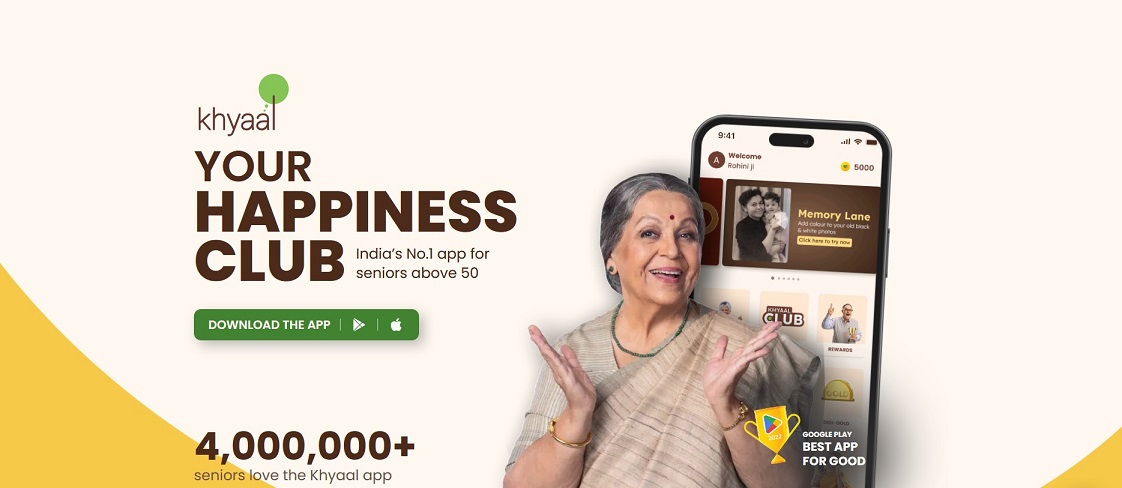
Khyaal, an Indian agetech startup, is one such platform working to make the digital world more accessible and meaningful for the elderly.
Founded during the COVID-19 pandemic, Khyaal began with a simple goal. It aimed to reduce loneliness among senior citizens who were suddenly isolated from their families and communities.
Initially, the team organised Zoom workshops and WhatsApp groups that taught digital literacy, financial awareness, and online safety.
As participation grew rapidly, the founders realised they needed a dedicated platform. Consequently, the Khyaal app was launched based on feedback directly gathered from its community.
Today, the app functions like a virtual senior citizens’ club. It offers multiple services through simple tiles such as events, travel deals, bill payments, assistance services, games, and shopping.
Most importantly, free online workshops remain the entry point for new users. These sessions help seniors learn skills, connect with peers, and gradually explore other features of the app.
This community-driven approach helped Khyaal grow to over 1.2 million users, with strong daily and monthly engagement.
However, building technology for seniors presented unique challenges. Traditional marketing proved ineffective because older users often distrust advertisements.
Instead, Khyaal relied heavily on word-of-mouth referrals within senior communities. Interestingly, seniors trusted recommendations from people their own age more than suggestions from their children.
Another major barrier involved financial security. Many seniors hesitate to perform digital transactions due to fear of fraud.
To address this concern, Khyaal introduced a secure payment card that limits high-value transactions and offers protection against fraud. Users also earn reward points for transactions, which encourages them to gradually adopt digital payments.
Designing the app’s interface also required careful research. Contrary to popular assumptions, seniors did not want oversized text or overly simplified visuals.
Instead, they preferred clean layouts, fewer confusing icons, and clear text explanations. The platform also minimised data collection to respect users’ privacy and build trust.
Ultimately, Khyaal’s growth highlights the power of community-driven product design.
By listening carefully to senior citizens and addressing their real concerns, the startup has created a digital space that promotes independence, safety, and connection in later life.
Image Credit: Khyaal Website Screenshot
You may also like




Image Reference:
https://www.khyaal.com/
Recent Posts
- YLEM: Turning Waste into Sustainable Design
 New Delhi-based design and research studio that transforms discarded materials into valuable, functional products.
 - Delhi’s Winter Pollution Plan
 Vehicles without valid Pollution Under Control certificates will not receive petrol, diesel, CNG or LPG at fuel stations.
 - FSSAI Plans Ban on Added Sugars in Baby FoodFSSAI plans to ban added fructose and sucrose in baby food for infants up to six months old. The proposal aims to safeguard infant nutrition and promote healthier feeding practices.
WeRIndia – A News Aggregator

Visit werindia.com for all types of National | Business | World | Politics | Entertainment | Health related news and much more..