

Bambrew’s big move into sustainable living
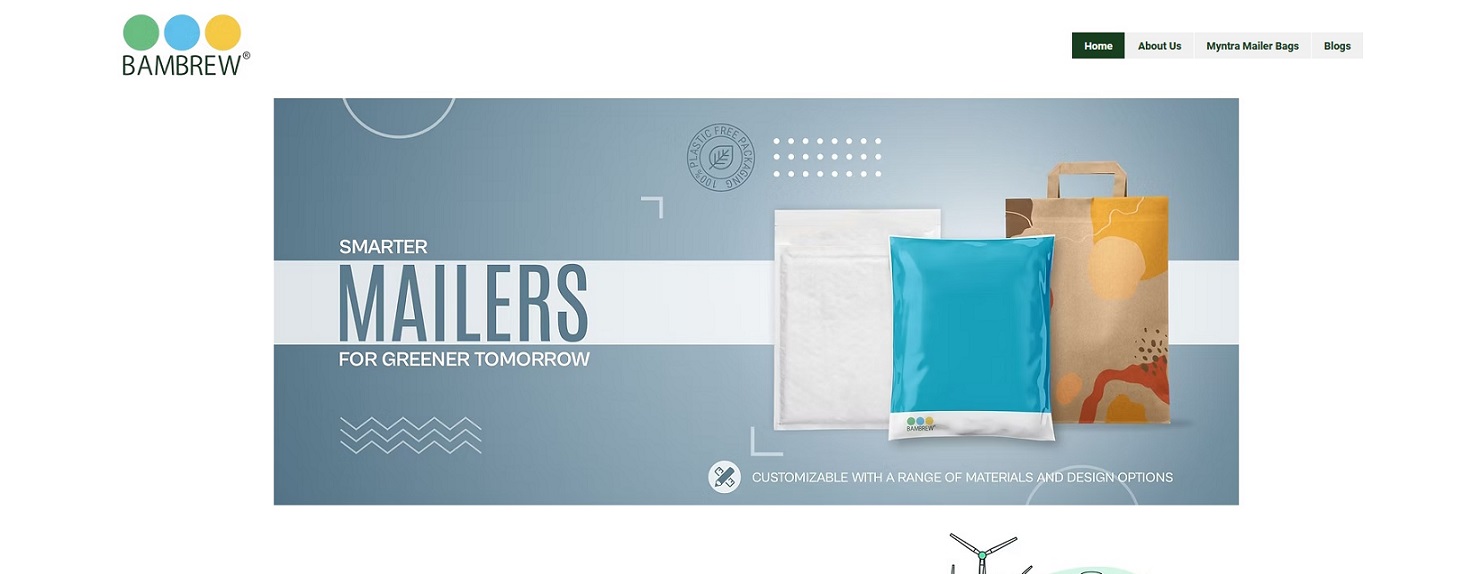
Sustainability is steadily shaping the future of consumer products as startups push eco-friendly innovation into the mainstream.
Bambrew, founded in 2019, began as a B2B player offering alternatives to plastic packaging. Initially, it catered to e-commerce giants like Amazon and Flipkart.
Over time, the Bengaluru-based startup built a strong client base of over 100 companies. This early success positioned Bambrew as a key contributor to sustainable packaging solutions.
As market demand evolved, the company adapted quickly. During the e-commerce boom of 2020–21, it introduced paper-based mailers and packaging materials.
Consequently, it aligned its growth with industry needs. Today, its products reach more than 10 countries, supported by a mix of in-house manufacturing and partner facilities.
Now, Bambrew is entering the direct-to-consumer space. Its newly launched product line includes biodegradable garbage bags, bamboo paper towels, and sanitary disposal solutions.
This shift reflects rising consumer awareness and stricter plastic regulations. Moreover, it allows the brand to directly influence everyday household consumption.
A major factor behind its success lies in innovation. The company developed “biophil,” a proprietary biodegradable polymer.
Unlike many alternatives, it breaks down into organic matter instead of microplastics. Additionally, Bambrew avoids materials like PLA, aiming for a deeper environmental impact. Its R&D team rigorously tests products for durability, ensuring they meet practical needs.
However, the journey has not been without challenges. Many eco-friendly products in India face criticism for poor performance.
Bambrew had to balance sustainability with strength and usability. It also deals with higher production costs, making its products 10-15% more expensive than other options. Convincing consumers to pay this premium remains a key hurdle.
Scaling operations is another challenge. Although the company raised significant funding and plans expansion, building supply chains and distribution networks requires time and investment.
Furthermore, consumer education is critical. Many users hesitate due to a lack of awareness or past experiences with ineffective alternatives.
Despite these obstacles, Bambrew continues to grow with clear ambitions. It aims to achieve ₹100 crore revenue soon, with a significant share from its D2C segment. In the long run, it plans global expansion and entry into new packaging categories.
Thus, Bambrew’s journey reflects both the promise and complexity of sustainable innovation.
It shows that success in this space depends not only on eco-friendly ideas but also on performance, affordability, and changing consumer behaviour.
Image Credit: Bambrew Website Screenshot
You may also like


Image Reference: https://www.bambrew.in/
Recent Posts
- Opposition Plans Supreme Court March Over ‘Vote Chori’ Row
 Earlier, leaders of several INDIA bloc parties had marched from Parliament to Vijay Chowk.
 - Indian Navy to Commission Mangrol, Boosting Coastal Defence
 Mangrol incorporates more than 80 per cent indigenous content.
 - Eden Gardens Sets Guinness World Record on MahalayaMahalaya celebrations at Kolkata’s Eden Gardens made history as 3,000 dhakis played the dhak together, setting a Guinness World Record. The grand event on October 10 marked the beginning of Devi Paksha and the countdown to Durga Puja.
WeRIndia – A News Aggregator
Visit werindia.com for all types of National | Business | World | Politics | Entertainment | Health related news and much more..