

New RBI guidelines for wallets
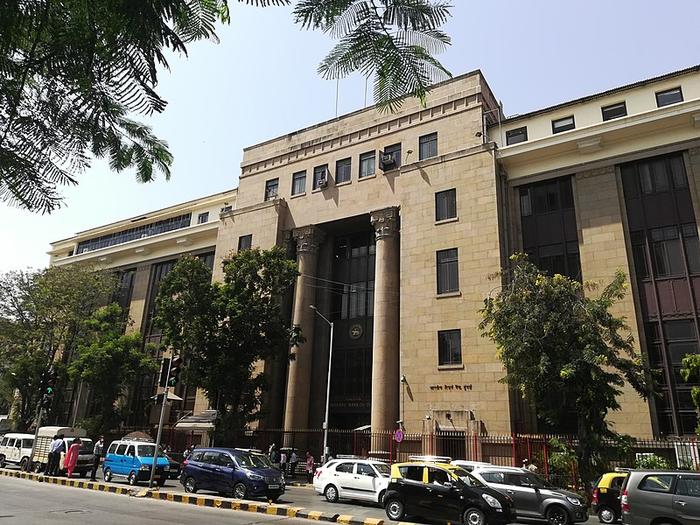
Last week, the Reserve Bank of India (or RBI) released a set of master directions concerning the issuance and operation of Prepaid Payment Instruments (or PPIs). These are commonly known as wallets. The new norms encompass the interoperability of wallets, and they enforce stricter Know Your Customer (or KYC) norms.
The RBI said that part of the purpose for releasing these new directions is to provide for the harmonization and interoperability of PPIs.
The key takeaways of these new norms are the interoperability norms, the mandatory KYC compliance, the increase of the capital requirement from ₹2 crore to ₹5 crores, and the new cross-border remittance policies.
There are several pros in the new PPI norms of the RBI. There will be more access to financial services, thanks to the new KYC and interoperability policies. There will also be higher usability of wallets since the directions imply that wallets are now considered on par with bank accounts.
Additionally, the increased popularity of payment systems, thanks to demonetization, has led to players doing away with vanity metrics. Overall, the new policies of the RBI have a goal to both make the market fairer and make the user experience more convenient.
However, there are several pertinent questions that must be asked about these new PPI norms. Some are questioning whether or not the KYC norms hit financial inclusion, since both wallets and their users are taken away from the formal economy.
Others question why the guidelines have brought down the limit of gift cards from ₹50,000 to ₹10,000.
Some are questioning the advantage that telecom-owned wallets will have over other wallets since KYC is already done by them in order to allocate new connections.
Others ask if the RBI is favouring the Unified Payments Interface (or UPI) since the RBI is appointing the UPI to be the default infrastructure for connecting banks and PPIs.
Altogether, these new wallet norms will certainly have some benefits, but other parts of the norms remain questionable.
Image Credit: Anurag Vijay 03 / CC BY-SA 4.0, via Wikimedia Commons
You may also like




Image Reference: https://commons.wikimedia.org/wiki/File:Reserve_Bank_Of_India_-_RBI_Mumbai.jpg

Recent Posts
- CSIR-NCL Recruitment 2026: 24 MTS Vacancies
 CSIR-NCL will conduct a competitive written examination for provisionally eligible candidates.
 - Voter Roll Revision Begins Ahead of 2027 Polls
 Citizens can submit claims and objections until December 11.
 - Assam Artist Creates Durga Idol Using 50,000 Safety PinsBlending devotion with extraordinary creativity, an artist from Assam has transformed thousands of ordinary safety pins into a stunning idol of Goddess Durga. Sanjib Basak, a government employee from Dhubri, spent over three months crafting the unique creation, which will be displayed at Rashmi Sangha Puja Mandap in Panchmor.
WeRIndia – A News Aggregator

Visit werindia.com for all types of National | Business | World | Politics | Entertainment | Health related news and much more..
Leave a Reply