

India’s sweet legacy: Meet the oldest halwais preserving tradition
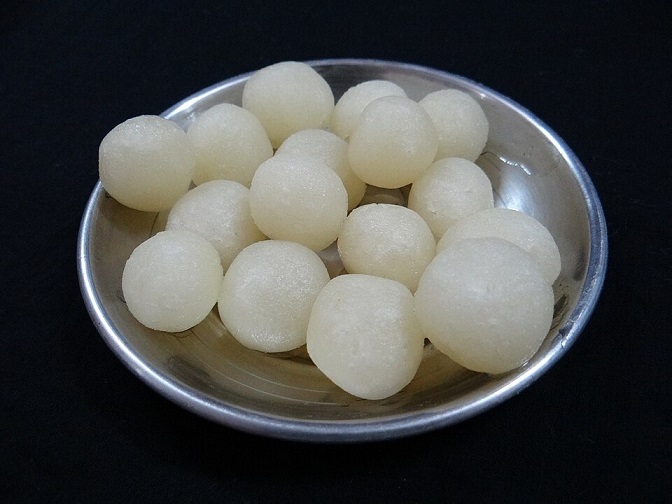
India is known for its rich culinary diversity, and at the heart of this tradition lies its unparalleled love for sweets.
Indian desserts are far more than just sugary treats; they hold deep cultural, religious, and emotional value.
From North to South, East to West, every region of India has its own signature sweets.
Whether it’s the syrupy rasgulla of Bengal, the soft ladoo of North India, the colourful barfi of Maharashtra, or the crispy jalebi found everywhere, sweets are woven into the fabric of Indian life.
With Diwali 2025 around the corner, sweet shops across the country are preparing for a major surge in demand.
Sweets are an essential part of Diwali celebrations, with shopping chaos in markets and long queues outside famous sweet shops.
The packaged sweets market in India is worth over ₹7,268 crore, and this number spikes during festivals.
However, behind the glamour of shiny boxes and bright lights are the traditional sweet makers, halwais, who have preserved age-old recipes and methods for generations.
Among them, Bhagat Halwai in Agra stands as India’s oldest sweet shop. Founded in 1795 by Lekh Raj Bhagat, this shop has been in operation for more than 230 years.
Known for its wide selection of sweets and snacks priced between ₹352 to ₹800 per pack, Bhagat Halwai represents the enduring charm of Indian tradition and craftsmanship in dessert making.
Delhi’s iconic Kanwarji Mithai Wale, established in 1850 in Chandni Chowk, is another heritage sweet shop known especially for its pista lauz.
In Kolkata, K.C. Das Halwai, founded in 1866, revolutionised the industry by inventing the first canned rasgulla in 1930, making Indian sweets more accessible and longer-lasting.
In the South, Basha Halwavala in Chennai boasts over 85 years of history. The store’s signature sweet, ‘Dam Ka Roast’ halwa made with honey, draws customers from far and wide, with prices ranging from ₹480 to ₹700 per kilogram.
Mumbai, too, is home to historic sweet institutions. Parsi Dairy Farm, founded in 1916, offers over 80 varieties of sweets and dairy products, staying true to its roots in quality and authenticity.
Another gem, Punjabi Ghaseetarām Halwai, was started in 1916 in Karachi and relocated to Mumbai after Partition. It is known for traditional favourites like besan ladoo, peda, and kaju katli.
Punjabi Chandu Halwai, founded in 1896 by Chandulal Behl, is yet another iconic sweet shop that made its way from Karachi to Mumbai and is famous for its Sindhi jalebi.
Meanwhile, China Ram Sindhi Confectioners, operating in Delhi since 1947, originally hailed from Lahore’s Anarkali Market before Partition.
What makes these sweets truly unique is not just their taste but the legacy of craftsmanship behind them.
These halwais follow centuries-old recipes, using authentic ingredients and traditional techniques, often passed down through generations. Their sweets are a symbol of celebration, prosperity, and heritage, making every bite a link to India’s cultural past.
As you enjoy your favourite mithai this Diwali, take a moment to appreciate the halwais who have kept these traditions alive.
Their dedication ensures that the magic of Indian sweets continues to sweeten lives, generation after generation.
Image Credit: Mdsmds0, CC BY-SA 4.0, via Wikimedia Commons
You may also like



Image Reference: https://commons.wikimedia.org/wiki/File:Rasgulla_Sweet.JPG

Recent Posts
- Navratri Fasting 2026: Eat Right, Stay Energised
 Fasting requires caution for people with diabetes, heart conditions or other medical problems.
 - GST Council Pushes Faster Compliance and Refunds
 The GST Council is examining measures to make GST compliance easier for small taxpayers.
 - SBI SCO Recruitment 2026 for Wealth Management posts
 Candidates must register and pay the application fee online through the SBI recruitment portal.
WeRIndia – A News Aggregator
Visit werindia.com for all types of National | Business | World | Politics | Entertainment | Health related news and much more..
Leave a Reply