

FSSAI Tightens Food Safety Rules for Perishable Items
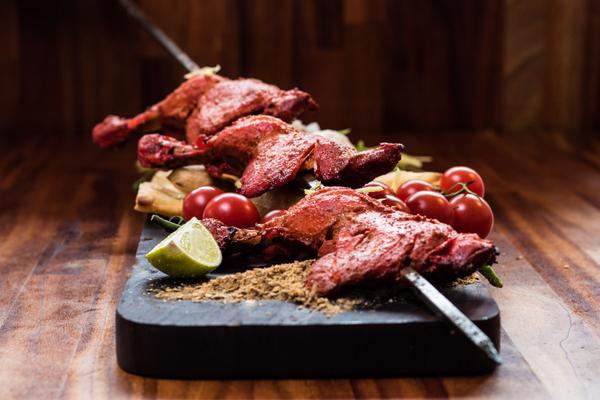
Safe food handling is essential to prevent contamination and protect public health.
The Food Safety and Standards Authority of India (FSSAI) has issued a fresh advisory directing food businesses to follow prescribed storage and transportation conditions for perishable products, including paneer, khoa, meat and fish.
Issued on October 15 by FSSAI’s Regulatory Compliance Division, the advisory aims to strengthen food safety practices across the supply chain.
It draws authority from the Food Safety and Standards Act, 2006, and the Food Safety and Standards (Licensing and Registration of Food Businesses) Regulations, 2011.
Under the new directions, Food Business Operators (FBOs) must maintain the required temperatures while storing and transporting perishable food items.
This is crucial to preserve product quality and reduce the risk of spoilage. Additionally, businesses must ensure hygienic conditions during food handling and storage to prevent contamination.
Proper packaging is another key requirement. Food products must remain protected from dust, moisture, insects and other potential contaminants.
Furthermore, businesses must use clean, covered vehicles to transport perishable goods. They must also maintain suitable conditions throughout transit to prevent deterioration before the products reach consumers.
FSSAI has warned that violations of food safety requirements could lead to enforcement action. Authorities may seize and destroy food items found to be in violation of applicable rules.
State food safety departments can also take appropriate action under the existing law and regulations.
To ensure compliance, FSSAI has asked the Commissioners of Food Safety in all states and Union Territories to strengthen monitoring.
Indian Railways and its regional directors have also been directed to ensure vigilance. Consequently, licensing authorities and food safety officers must conduct inspections and checks to identify violations.
The advisory places responsibility on food businesses to maintain safety at every stage, from storage to final delivery.
For consumers, consistent enforcement could help reduce the risks associated with improperly handled perishable foods.
Meanwhile, businesses must review their existing practices and ensure compliance with the prescribed requirements to avoid penalties and protect public health.
Image from Pxhere (Free for commercial use / CC0 Public Domain)
Image published on February 01, 2017
You may also like




Image Reference: https://pxhere.com/en/photo/598518
Recent Posts
- FSSAI Tightens Food Safety Rules for Perishable Items
 Indian Railways and its regional directors have also been directed to ensure vigilance.
- Cancer drug prices set for major cut as NPPA caps trade margins
 The move could offer meaningful financial relief to cancer patients, particularly those requiring prolonged treatment.
- Sudarsan Pattnaik creates Unique 10-Foot Maa Durga installationCelebrating the spirit of Durga Puja through creativity, renowned sand artist and Padma Shri awardee Sudarsan Pattnaik has created a stunning 10-foot installation of Maa Durga at Puri Sea Beach. Crafted in just five hours using 8 tonnes of sand, 22 varieties of vegetables and 10 types of fruits, the artwork conveys his heartfelt festive wishes and showcases the beauty of artistic innovation.
WeRIndia – A News Aggregator

Visit werindia.com for all types of National | Business | World | Politics | Entertainment | Health related news and much more..
Leave a Reply