

Building women-led growth through scalable governance
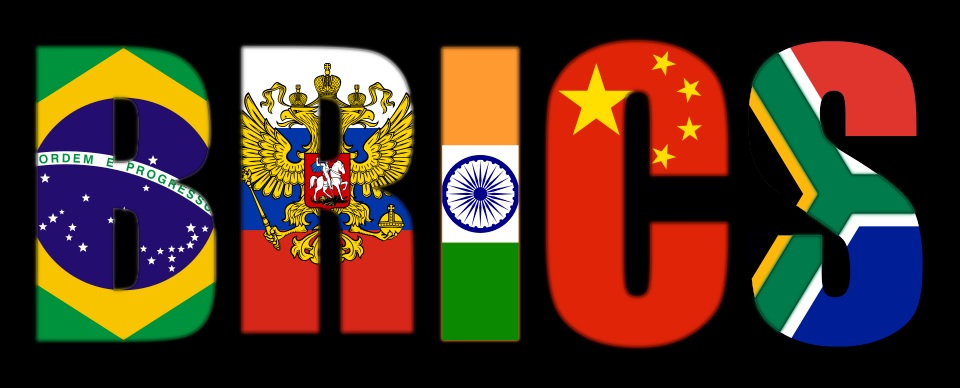
Inclusive development succeeds when women participate as leaders rather than beneficiaries.
Therefore, sustainable progress depends on systems that expand opportunity, strengthen institutions, and create lasting economic independence.
As India assumes the BRICS Chairship in 2026, it presents a practical framework for women-led development instead of a collection of success stories.
Over the past decade, the country has built an ecosystem that empowers women through governance, financial inclusion, entrepreneurship, and community leadership. Moreover, this model is designed for adaptation beyond national borders.
The foundation begins with representation. Nearly half of India’s elected Panchayati Raj representatives are women.
Furthermore, the Nari Shakti Vandan Adhiniyam reserves one-third of parliamentary and state assembly seats for women. Consequently, women increasingly influence policies that directly affect their lives.
Equally important, Digital Public Infrastructure has transformed welfare delivery. Aadhaar-linked direct benefit transfers ensure financial support reaches women without intermediaries.
For instance, the Pradhan Mantri Matru Vandana Yojana has transferred over ₹20,060 crore to more than 4.26 crore mothers.
Meanwhile, over 10.05 crore rural women now participate in more than 90.90 lakh Self-Help Groups under DAY-NRLM. These institutions also create leadership, financial literacy, and collective strength.
The journey extends beyond welfare into enterprise. Today, 65,949 BC Sakhis deliver banking services in remote villages. Similarly, the Lakhpati Didi initiative has enabled 1.48 crore women to earn at least ₹1 lakh annually.
Additionally, women receive 69 per cent of PMMY loans and account for 84 per cent of Stand-Up India beneficiaries. More than 1.02 lakh recognised startups also include at least one woman director or partner.
Economic participation continues to grow. Female labour force participation increased from 23.3 per cent in 2017-18 to 41.7 per cent in 2023-24. At the same time, female unemployment declined significantly.
Women also drive climate resilience and nutrition. Across India, they conserve seeds, manage natural resources, strengthen food security, and support community health.
Moreover, schemes such as Namo Drone Didi equip women with advanced agricultural technology, while One District One Product connects local products with national and global markets.
India’s contribution to BRICS is therefore a scalable governance model built on inclusion, innovation, and institutional strength.
While sharing its experience, India also seeks to learn from partner nations, reinforcing cooperation for a more resilient and sustainable future.
Image Credit: Pixabay, CC0 1.0, via Wikimedia Commons
Source: https://pixabay.com/pt/brics-brasil-r%C3%BAssia-%C3%ADndia-china-1301745/ archive copy at the Wayback Machine
You may also like

Image Reference: https://commons.wikimedia.org/wiki/File:BRICS_Typography.svg

Recent Posts
- Navratri Fasting 2026: Eat Right, Stay Energised
 Fasting requires caution for people with diabetes, heart conditions or other medical problems.
 - GST Council Pushes Faster Compliance and Refunds
 The GST Council is examining measures to make GST compliance easier for small taxpayers.
 - SBI SCO Recruitment 2026 for Wealth Management posts
 Candidates must register and pay the application fee online through the SBI recruitment portal.
WeRIndia – A News Aggregator
Visit werindia.com for all types of National | Business | World | Politics | Entertainment | Health related news and much more..