

Smart Water Meters: Making Every Drop Count
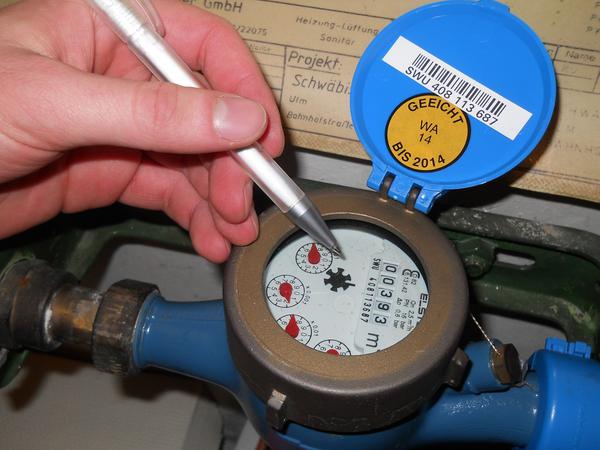
India’s water challenges are pushing technology beyond traditional measurement and towards smarter conservation.
Smart water meters are emerging as an important innovation in this shift. Unlike conventional meters, they do more than record total consumption.
They continuously track water flow and can identify unusual usage patterns.
The technology combines sensors, computing and wireless communication. Sensors measure water movement through pipes.
A small microcontroller then analyses the readings. Finally, wireless networks transmit the data to utilities or monitoring platforms.
Some advanced meters use ultrasonic technology to measure flow without relying on moving parts.
They can detect very low flow rates, making them useful for spotting hidden leaks. Electromagnetic meters use magnetic fields to measure moving water and can also provide precise flow information.
This capability has major value in India, where water losses can occur inside homes, buildings and distribution networks.
A slow leak behind a wall may remain unnoticed for weeks. However, a smart meter can detect continuous flow when taps and appliances are not being used.
The technology can also identify sudden spikes. Such changes may indicate a burst pipe or another serious problem.
Therefore, smart meters can shift water management from simply recording consumption to detecting problems early.
Connectivity is another major advantage. Depending on the system, meters can use cellular networks, NB-IoT, LoRaWAN or other wireless technologies.
Advanced Metering Infrastructure can allow utilities to collect readings remotely and monitor consumption more efficiently.
For Indian cities, this could reduce dependence on manual meter reading. It could also provide authorities with detailed consumption data.
That information can support better demand planning, leak detection and resource management.
The innovation is particularly relevant as Indian cities face rising demand and growing pressure on freshwater resources.
Smart meters cannot create new water supplies. However, they can help ensure that less water disappears unnoticed.
Their biggest contribution may be simple: turning water usage into real-time information. When every unusual flow becomes visible, households and utilities can respond faster.
In that sense, smart water meters are transforming water conservation from an occasional check into continuous monitoring.
Image from Pxhere (Free for commercial use / CC0 Public Domain)
Image published on April 03, 2017
You may also like




Image Reference:
https://pxhere.com/en/photo/1343663
Recent Posts
- Fery Rides: Making Urban Travel Safer for Women
 Fery Rides also operates an all-electric fleet, bringing sustainability into its mobility model.
 - UPI MDR Rollout Deferred, Bringing Festive Relief
 Merchants can continue handling eligible payments without the immediate impact of the proposed MDR.
 - Smog-Eating Roads: A New Approach to Tackling Air Pollution
 Photocatalytic coatings are a potential supplementary measure, not a complete solution to urban air pollution.
WeRIndia – A News Aggregator

Visit werindia.com for all types of National | Business | World | Politics | Entertainment | Health related news and much more..
Leave a Reply