

Bamboo transforms tribal livelihoods, giving financial freedom

Deep inside Telangana’s forest belt, a new livelihood story is taking shape far from factories and plastic waste.
In Mancherial district, tribal women are reshaping their economic future by turning bamboo into functional and stylish products.
What began as a skill training effort has now emerged as a promising path toward income security and self-reliance.
The programme is being implemented by the Entrepreneurship Development Institute of India in partnership with the Hyderabad Tiger Conservation Society.
Their focus is on tribal settlements surrounding the Kawal Tiger Reserve, where employment options remain limited.
By introducing bamboo-based enterprises, the initiative links environmental responsibility with economic opportunity.
More than 280 women from multiple villages have already been trained under the project.
A recent workshop started on December 14 in Nayakapugudem hamlet of Indhanpally village, located in Jannaram mandal.
Around 45 women are currently participating in hands-on sessions that teach furniture-making using Assam bamboo, known for its strength and durability.
The range of products being made is extensive. Participants are crafting furniture such as sofa sets and chairs, along with smaller utility and décor items.
These include mobile stands, pen holders, office trays, flower vases, coffee trays, exam pads and foldable relaxing chairs.
The designs combine everyday usefulness with visual appeal, making them attractive to buyers.
Bamboo’s growing popularity as an eco-friendly alternative to plastic has added value to the products.
Since it is biodegradable and renewable, bamboo-based goods align with the rising demand for sustainable choices.
This shift has helped tribal artisans tap into a wider market while reducing environmental harm.
For many trainees, the change has been significant. Women like Raya Anasuya and Pembi Renuka said farm labour offered little financial stability.
In contrast, bamboo items now sell for ₹2,000 to ₹3,000, offering better returns. Srinivas, another trainee, said daily earnings of around ₹600 are possible, higher than previous wage work.
He believes steady market access can secure a better future for tribal families.
According to EDII project officer Devender Bukya, empowering women through skills and entrepreneurship is central to the initiative.
He noted that rural women often work in labour-intensive sectors with minimal income. EDII aims to change this by combining training with market support.
Beyond bamboo, the organisation has introduced other livelihood programmes. These include leaf plate production, detergent powder making, and fish-based value-added products.
Each initiative is designed to improve skills, boost confidence and help women move toward self-employment.
Image Credit: Daderot, CC0 1.0, via Wikimedia Commons
You may also like



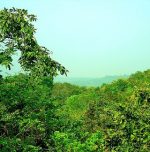
Image Reference: https://commons.wikimedia.org/wiki/File:Bamboo_-_Jardim_Bot%C3%A2nico_da_Universidade_de_Coimbra_-_Coimbra,_Portugal_-_DSC08953.jpg

Recent Posts
- SBI SCO Recruitment 2026 for Wealth Management posts
 Candidates must register and pay the application fee online through the SBI recruitment portal.
 - India Calls for End to Black Sea Attacks on Indian Seafarers
 Kyiv has indicated support for a combined ceasefire covering energy infrastructure and the Black Sea.
 - Dhurandhar Revolving ThaliExperience the grand Dhurandhar Revolving Thali at Angithi Tadka by Madaan, priced at ₹1,699. A lavish spread designed for a hearty, indulgent dining experience in Delhi.
WeRIndia – A News Aggregator
Visit werindia.com for all types of National | Business | World | Politics | Entertainment | Health related news and much more..