

Zero tolerance, new tools
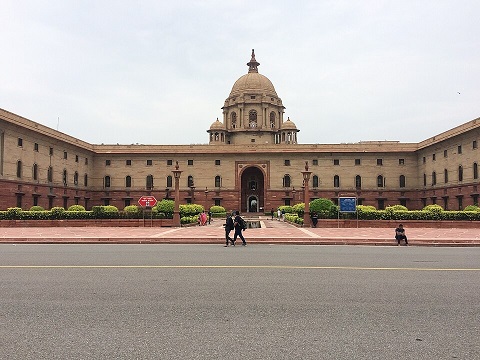
India continues to sharpen its counter-terrorism strategy amid rapidly evolving security threats and digital challenges.
Union Home Secretary Govind Mohan recently reaffirmed India’s zero-tolerance policy towards terrorism in all its forms.
These include cross-border terrorism, narco-terror networks, and cyber-enabled terror activities.
He made these remarks while delivering the concluding address at the Anti-Terror Conference held in New Delhi.
Mohan described the institutionalisation of the conference as a significant step forward. He said it strengthens national resolve and improves coordination among security agencies.
Moreover, it provides a structured platform to address emerging and complex threats.
He stressed the growing dangers posed by radicalisation and recruitment efforts.
According to him, terrorist groups increasingly exploit vulnerable youth for violent activities. Therefore, constant vigilance and proactive intervention remain essential.
The Home Secretary highlighted that the conference featured discussions on advanced investigative tools. These included digital device data analysis and big data analytics.
Notably, experts focused on the challenge of unmasking digital anonymity. This issue has become central to modern counter-terror investigations.
Mohan also praised the National Investigation Agency for its exceptional performance. He noted that the NIA maintains a conviction rate of over 90 per cent.
The government, he added, aims to replicate this success across all police forces. This goal will be pursued through better investigation standards and stronger inter-agency cooperation.
Meanwhile, Union Home Minister Amit Shah lauded recent operational successes. He cited the Pahalgam targeted attack case and the Delhi Red Fort blast investigation.
According to an NIA spokesperson, Shah said these cases showcased the professionalism of India’s security agencies.
The spokesperson quoted Shah as saying this was the first terror incident where planners were punished through Operation Sindoor.
Additionally, the attackers were neutralised under Operation Mahadev. He termed the combined actions a strong and decisive response by India.
Furthermore, the conference examined lessons learned from past investigations. It focused on preemptive disruption of terror modules. Discussions covered theatres such as Left Wing Extremism and the North East.
The event also addressed hybrid threats, deepfakes, and hybrid warfare. Emphasis was placed on digital forensics, terror financing, maritime terrorism, and illicit trafficking.
Overall, the conference reinforced India’s commitment to staying ahead of evolving terror threats.
Image Credit: Rashid Jorvee, CC BY-SA 4.0, via Wikimedia Commons
You may also like


Image Reference: https://commons.wikimedia.org/wiki/File:North_Block,_Ministry_of_home_affairs.jpg

Recent Posts
- FSSAI Tightens Food Safety Rules for Perishable Items
 Indian Railways and its regional directors have also been directed to ensure vigilance.
 - Cancer drug prices set for major cut as NPPA caps trade margins
 The move could offer meaningful financial relief to cancer patients, particularly those requiring prolonged treatment.
 - Sudarsan Pattnaik creates Unique 10-Foot Maa Durga installationCelebrating the spirit of Durga Puja through creativity, renowned sand artist and Padma Shri awardee Sudarsan Pattnaik has created a stunning 10-foot installation of Maa Durga at Puri Sea Beach. Crafted in just five hours using 8 tonnes of sand, 22 varieties of vegetables and 10 types of fruits, the artwork conveys his heartfelt festive wishes and showcases the beauty of artistic innovation.
WeRIndia – A News Aggregator

Visit werindia.com for all types of National | Business | World | Politics | Entertainment | Health related news and much more..