

India’s nuclear leap: The reactor that could power the future
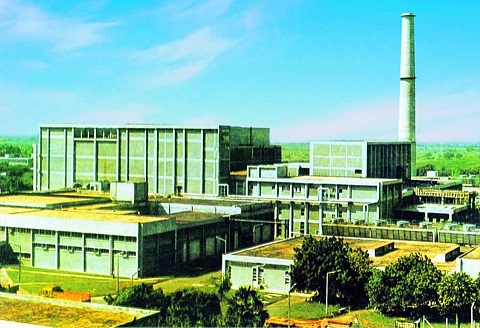
India has reached a defining moment in its energy journey with a breakthrough in nuclear technology.
At Kalpakkam, the Prototype Fast Breeder Reactor (PFBR) has achieved first criticality. This marks the point where a self-sustaining nuclear reaction begins, signalling a major scientific success.
This milestone pushes India into the second stage of its nuclear programme, originally envisioned by Homi J Bhabha.
Unlike earlier reactors, the PFBR produces more fuel than it consumes. Therefore, it represents a shift toward long-term energy security.
The project reflects decades of effort by scientists and engineers. According to Sreekumar G Pillai, the achievement goes beyond commissioning a reactor.
It demonstrates India’s ability to develop advanced technology independently. Moreover, strong institutional support and policy continuity played a crucial role.
Building the reactor, however, was not easy. Engineers faced challenges in handling liquid sodium, which acts as a coolant.
Although efficient, sodium reacts dangerously with air and water. As a result, teams had to design new materials, sensors, and safety systems from scratch. This process took years of testing and data collection.
The PFBR also highlights India’s expertise in the closed fuel cycle. In simple terms, the reactor uses plutonium recovered from earlier reactors.
It then generates even more fissile material. Consequently, the system becomes highly efficient and sustainable.
Safety remains a key priority. Multiple layers of protection ensure that the reactor operates securely.
In addition, India’s regulatory systems developed specific safety standards due to the absence of global guidelines for such reactors.
Looking ahead, the reactor will gradually increase power output over the coming months.
At the same time, work has already begun on additional fast breeder reactors. These future units will benefit from the lessons learned during this project.
Most importantly, the PFBR opens the door to using India’s vast thorium reserves. This could eventually reduce dependence on imported fuel. In the long run, it strengthens the goal of energy independence.
Thus, the achievement stands as a testament to persistence, innovation, and vision. It not only advances nuclear science but also positions India for a more secure and sustainable energy future.
Image Credit: Reetesh Chaurasia, CC BY-SA 4.0, via Wikimedia Commons
You may also like




Image Reference: https://commons.wikimedia.org/wiki/File:Kalpakkam_Reprocessing_Plant_Tamil_Nadu.jpg

Recent Posts
- Smog-Eating Roads: A New Approach to Tackling Air Pollution
 Photocatalytic coatings are a potential supplementary measure, not a complete solution to urban air pollution.
 - Nagastra-1R: India Boosts Precision Strike Power
 Nagastra-1R carries a one-kilogram high-explosive fragmentation warhead designed for soft-skinned targets.
 - Forest Worker Saves Elephants from Train CollisionA major railway accident was narrowly avoided in West Bengal after forest worker Akash Kerketta alerted authorities to a herd of elephants on the Bagdogra-Naxalbari railway line. His swift action helped move the elephants to safety before the approaching Sikkim Mahananda Express could collide with them.
WeRIndia – A News Aggregator

Visit werindia.com for all types of National | Business | World | Politics | Entertainment | Health related news and much more..
Leave a Reply