

Home Ministry pushes clear rules for safer mega events
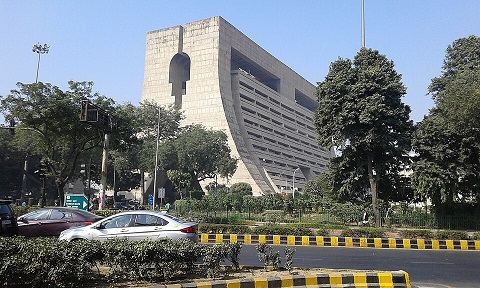
Large public gatherings require precise planning and strong coordination to prevent avoidable tragedies.
In this context, the Union Home Ministry has issued fresh directions to strengthen security and crisis management at mega events across India.
The advisory applies to gatherings drawing massive crowds, including religious congregations and cultural festivals.
It follows recent incidents in several states where overcrowding and coordination failures led to loss of lives.
The matter was discussed earlier at the DG-IG Conference held in Raipur in November last year, after which the ministry decided to introduce a more standardised framework.
The directive has been sent to police chiefs across states and Union Territories. It clearly emphasises defining responsibilities for event organisers to avoid confusion during execution.
Organisers must strictly adhere to agreed arrangements and timelines. Additionally, police authorities have been instructed to ensure distinct dress codes for organisers and volunteers.
This measure aims to allow quick identification during emergencies or crowd-related situations. Officials believe such clarity will improve real-time coordination and response.
Under the new guidelines, organisers of large-scale events must submit comprehensive operational plans in advance.
These plans should detail crowd control strategies, emergency evacuation routes, medical aid deployment, and surveillance arrangements.
As a result, police authorities can assess preparedness before granting final permissions. Moreover, the guidelines place accountability on organisers for on-ground execution, while police retain oversight responsibility.
The Home Ministry has also asked all Directors General of Police to organise post-event review workshops. These sessions should analyse security arrangements, logistical planning, and crisis handling.
Officials are expected to discuss gaps, successes, and lessons learned. Therefore, future events can benefit from improved planning and execution.
Furthermore, state police departments must regularly document each mega event in detail. Records should include security deployment, logistical arrangements, financial planning in monetary terms, and any incidents encountered.
They should also capture operational experiences and key takeaways. Over time, these documents will form a central repository of best practices.
According to officials, this data-driven approach will support better planning for future mega events. It aims to mitigate recurring risks, such as stampedes, overcrowding, or terrorist threats.
Ultimately, the ministry hopes that clear accountability, structured reviews, and institutional memory will lead to safer public gatherings nationwide.
Image Credit: Sidheeq, CC BY-SA 4.0, via Wikimedia Commons
You may also like



Image Reference: https://commons.wikimedia.org/wiki/File:Home_Ministry_Building,_Delhi.jpg

Recent Posts
- Navratri Fasting 2026: Eat Right, Stay Energised
 Fasting requires caution for people with diabetes, heart conditions or other medical problems.
 - GST Council Pushes Faster Compliance and Refunds
 The GST Council is examining measures to make GST compliance easier for small taxpayers.
 - SBI SCO Recruitment 2026 for Wealth Management posts
 Candidates must register and pay the application fee online through the SBI recruitment portal.
WeRIndia – A News Aggregator
Visit werindia.com for all types of National | Business | World | Politics | Entertainment | Health related news and much more..