

RBI’s New Bulk FD Rule: What Large Depositors Should Know
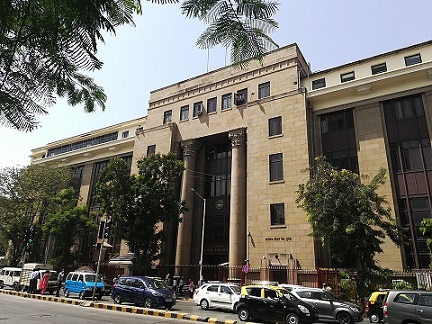
Banking rules are evolving to make large deposits more transparent and predictable for customers.
From October 1, the Reserve Bank of India (RBI) will introduce a new framework for bulk fixed deposits. The move mainly affects customers placing large sums in term deposits.
Under the revised rules, bulk deposits generally cover term deposits of ₹3 crore and above. Banks must publish the applicable interest rates on their websites every working day.
They need to disclose these rates by 10 AM, with a 10-minute window for any updates or changes.
Importantly, the rate displayed by a bank will apply to deposits accepted under the same conditions on that day.
Therefore, the interest rate should not vary simply because a customer chooses another branch or banking channel.
The change gives large depositors a clearer way to compare rates before committing substantial funds.
Customers can check the published rate before placing their deposits and retain a screenshot for their records.
However, banks can still offer different rates in certain situations. The RBI framework allows variation when deposits have different liquidity characteristics under the Liquidity Coverage Ratio (LCR) framework.
The new requirements are primarily relevant to high-value depositors. Customers investing smaller amounts, such as ₹1 lakh, ₹2 lakh or ₹5 lakh, generally do not need to track the bulk-deposit rates each morning.
For those considering a deposit of ₹3 crore or more, however, checking the bank’s website before investing will become an important step.
The published rate gives large depositors a clear view of their expected returns before investing. It also helps them compare rates across banks and make informed decisions.
Thus, the new framework aims to bring greater transparency and consistency to bulk FD pricing.
By disclosing rates in advance, banks provide customers with greater certainty about the interest applicable to their deposits.
Image Credit: Anurag Vijay 03, CC BY-SA 4.0, via Wikimedia Commons
You may also like




Image Reference: https://commons.wikimedia.org/wiki/File:Reserve_Bank_Of_India_-_RBI_Mumbai.jpg

Recent Posts
- YLEM: Turning Waste into Sustainable Design
 New Delhi-based design and research studio that transforms discarded materials into valuable, functional products.
 - Delhi’s Winter Pollution Plan
 Vehicles without valid Pollution Under Control certificates will not receive petrol, diesel, CNG or LPG at fuel stations.
 - FSSAI Plans Ban on Added Sugars in Baby FoodFSSAI plans to ban added fructose and sucrose in baby food for infants up to six months old. The proposal aims to safeguard infant nutrition and promote healthier feeding practices.
WeRIndia – A News Aggregator

Visit werindia.com for all types of National | Business | World | Politics | Entertainment | Health related news and much more..
Leave a Reply