

Bhairamdev Temple: A thousand-year-old symbol of heritage & faith
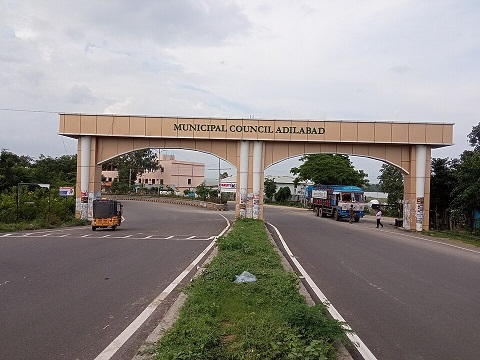
The Bhairamdev Temple holds immense historical, architectural, religious and cultural significance, offering a rare glimpse into the region’s nearly thousand-year-old heritage.
Located in a forest near Sadalpur village in Bela mandal, the temple is believed to date back to the 10th or 11th century. Its architectural features reflect the craftsmanship and artistic excellence of the Chalukya period.
One of the temple’s greatest attractions is its distinctive architecture. The complex houses multiple shrines, including a trikootalaya with three sanctums and a star-shaped trikooteshwara temple.
Intricate stone carvings, beautifully designed pillars and distinctive shikharas highlight the architectural knowledge of its builders.
The black-stone shikhara of the trikooteshwara temple is particularly remarkable, remaining largely intact despite centuries of exposure to natural elements.
The temple also showcases Vesara and Bhumija architectural styles. These features make it an important site for historians, researchers and students interested in India’s medieval temple architecture.
The intricate depiction of Bhairava, accompanied by images of devotees and other religious figures, further reflects the artistic and spiritual traditions of the period.
Beyond its architectural importance, the temple continues to hold a special place in the religious life of local communities, particularly those belonging to Adivasi backgrounds.
Devotees worship Bhairava and follow indigenous customs that have continued across generations. Traditional goat offerings form part of these practices, reflecting the community’s deep-rooted cultural beliefs.
Moreover, the temple becomes an important centre of religious activity during the Hindu month of Pushya.
Thousands of devotees from Maharashtra and Chhattisgarh visit the shrine to offer prayers, demonstrating its regional religious significance.
The temple’s importance extends beyond its role as a place of worship. It represents the connection between ancient architectural traditions, indigenous identity and living cultural practices.
Although no inscriptions have been discovered within the premises, its surviving structures provide valuable evidence of the region’s historical past.
Therefore, preserving the Bhairamdev Temple is essential to protect an important chapter of indigenous heritage.
Conservation efforts can safeguard its architectural features, support historical research and ensure that future generations remain connected to its cultural and spiritual legacy.
Image Credit: RATHOD SRAVAN, CC0 1.0, via Wikimedia Commons
You may also like




Image Reference: https://commons.wikimedia.org/wiki/File:Adilabad_Muncipality.jpg

Recent Posts
- Brave Lakshmi Risks Life to Save Friend; Family Seeks Help
 As terrified students rushed out, Lakshmi chose to stay back and pull her friend away from the attacker.
- Bhairamdev Temple: A thousand-year-old symbol of heritage & faith
 The Bhairamdev temple's importance extends beyond its role as a place of worship.
- Delhi’s Diwali Glow Fades Under a Thick Blanket of Toxic Smog
 With pollution already approaching dangerous levels, Delhi faces another challenging period after Diwali.
WeRIndia – A News Aggregator

Visit werindia.com for all types of National | Business | World | Politics | Entertainment | Health related news and much more..
Leave a Reply