

Old teacher helping millions of farmers
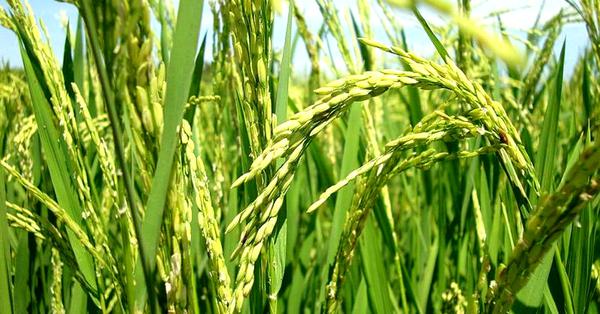
During the 1960s, the Green Revolution swept over India. New farming practices were introduced to the country, such as monoculture, which is the practice of only planting one crop per year.
Farmers were also introduced to the practice of growing crops in the dry season and the widespread usage of chemical pesticides and fertilizers.
When Indian farmers began to take up these new practices, crop production in the country doubled.
Since India has had a long history of famines, this massive increase in crop yields was highly welcome.
However, the Green Revolution had some devastating side effects that were harmful to both crop biodiversity and small farmers.
Natabar Sarangi, a school teacher from Odisha, is over 80 years old, and has lived long enough to see the Green Revolution come and go.
He experienced the benefits and the detriments it had on Indian farming, and he decided to combat its negative effects himself.
Sarangi retired from his job in 1992, and he started his own small organic farm.
He preferred to grow his crops using traditional seeds that have been around for a long time, instead of growing the newer, genetically-modified crops.
In 2010, he even got a grant from the Global Greengrants Fund, which he used to collect seeds from farms all across the country, acquiring various seeds from far-flung regions of India.
Sarangi has a simple trading model.
Every year, he gives his surplus organic seeds to local farmers in exchange for 4 kg of their post-harvest seeds.
Sarangi’s movement has only become more popular over time, and over a hundred local farmers come and collect seeds from him every year.
Not only does Sarangi provide these small farmers with seeds, but he also trains them in organic farming techniques, teaching them how to prevent flood, famine, and other disasters from ruining their crops.
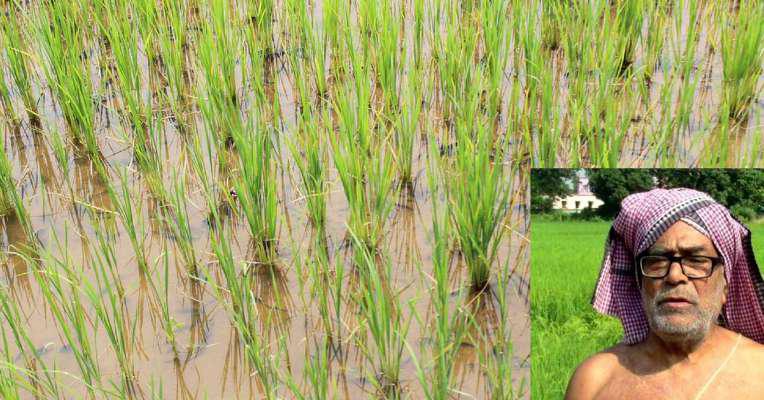
Old teacher helping millions of farmers
He also speaks with students at local schools, in order to raise awareness of organic farming among young children.
In the future, Sarangi wants to expand his process all across the country, in order to raise organic farming awareness and bring back natural, traditional farming in India.
You may also like


Image Reference: Thebetterindia, Dailyhunt
Recent Posts
- Everyday Habits That May Harm Your Brain Health
 Adequate sleep allows the brain to recover, process information and support memory.
 - Top 10 investment schemes in India that benefit from compounding
 A compound interest calculator can help estimate how investments may grow over time.
 - DGFT Hyderabad Recruitment 2026: Salary ₹60,000 Per Month
 The recruitment is for two Young Professional vacancies in Hyderabad, with a monthly remuneration of ₹60,000.
WeRIndia – A News Aggregator

Visit werindia.com for all types of National | Business | World | Politics | Entertainment | Health related news and much more..
Leave a Reply