

YLEM: Turning Waste into Sustainable Design
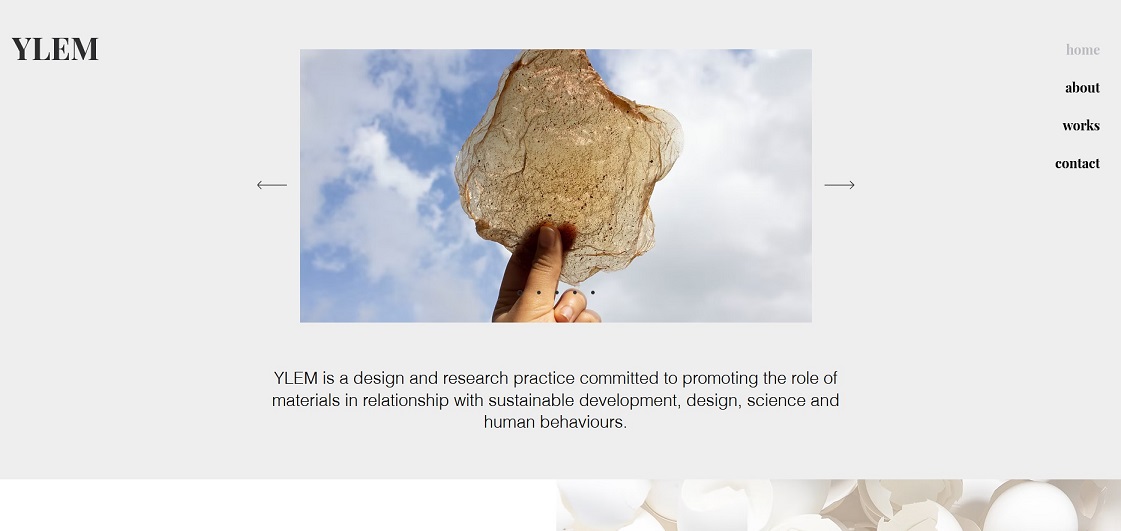
As environmental concerns grow, designers are exploring innovative ways to reduce waste and make everyday products more sustainable.
Among them is YLEM, a New Delhi-based design and research studio that transforms discarded materials into valuable, functional products.
Founded by designer Midushi Kochhar, YLEM combines material research, contemporary craft and scientific processes to develop alternatives to conventional manufacturing.
The studio focuses on circular design, creating products with sustainable life cycles while exploring the relationship between materials, society and human behaviour.
Kochhar, an industrial design graduate from Central Saint Martins, University of the Arts London, believes in a “glocal” approach.
This philosophy combines global sustainability goals with locally available resources. Through YLEM, she aims to develop innovative materials that are environmentally responsible and commercially viable.
The studio’s experiments demonstrate how everyday waste can become a valuable resource. Its Eggware initiative uses eggshells to create ceramic products.
Plumeware explores the use of feathers as a biodegradable alternative to conventional plastics. The studio also investigates tree husks for footwear and bamboo as a sustainable substitute for other woody raw materials.
For Kochhar, sustainable design is not simply about creating attractive products. Instead, it involves balancing aesthetics, usability, manufacturing requirements and environmental impact.
Her work seeks to challenge conventional production methods without compromising functionality or design quality.
She believes the shift towards sustainable materials is long overdue. Virgin resources can be expensive and difficult to source, while agricultural residues and other discarded materials often remain readily available.
With appropriate innovation and government support, these resources can offer environmental benefits alongside promising business opportunities.
However, sustainability also involves changing consumer behaviour without creating unnecessary guilt. Kochhar acknowledges that eco-anxiety affects her, too.
She advocates practical, gradual lifestyle changes rather than demanding perfection from individuals. In her view, sustainable consumption should become manageable and accessible.
Through YLEM, Kochhar hopes to build hyperlocal systems that turn agricultural waste into new materials and products.
By encouraging curiosity rather than fear, she wants consumers to reconsider their everyday choices and understand the environmental consequences of consumption.
Her philosophy rests on a simple idea: “Waste is a design flaw.”
By reimagining discarded materials, YLEM demonstrates how thoughtful design can support a more circular economy and inspire a responsible relationship with resources.
Image Credit: Ylemofficial Website Screnshot
You may also like



Image Reference: https://www.ylemofficial.com/
Recent Posts
- YLEM: Turning Waste into Sustainable Design
 New Delhi-based design and research studio that transforms discarded materials into valuable, functional products.
- Delhi’s Winter Pollution Plan
 Vehicles without valid Pollution Under Control certificates will not receive petrol, diesel, CNG or LPG at fuel stations.
- FSSAI Plans Ban on Added Sugars in Baby FoodFSSAI plans to ban added fructose and sucrose in baby food for infants up to six months old. The proposal aims to safeguard infant nutrition and promote healthier feeding practices.
WeRIndia – A News Aggregator

Visit werindia.com for all types of National | Business | World | Politics | Entertainment | Health related news and much more..
Leave a Reply