

M-Strip: A simple innovation for early cervical cancer detection
Healthcare innovation often succeeds when it makes critical tests simpler, more accessible, and less intimidating.
M-Strip, developed by IOTA Diagnostics, is one such breakthrough that aims to transform cervical cancer screening through a non-invasive and convenient approach.
The innovation was led by entrepreneur Vaibhav Shitole and his team, who initially focused on solving challenges in diagnostic sample collection.
Their earlier work resulted in a biosampler device capable of preserving biological samples without cold storage for several days. This technology later became the foundation for M-Strip.
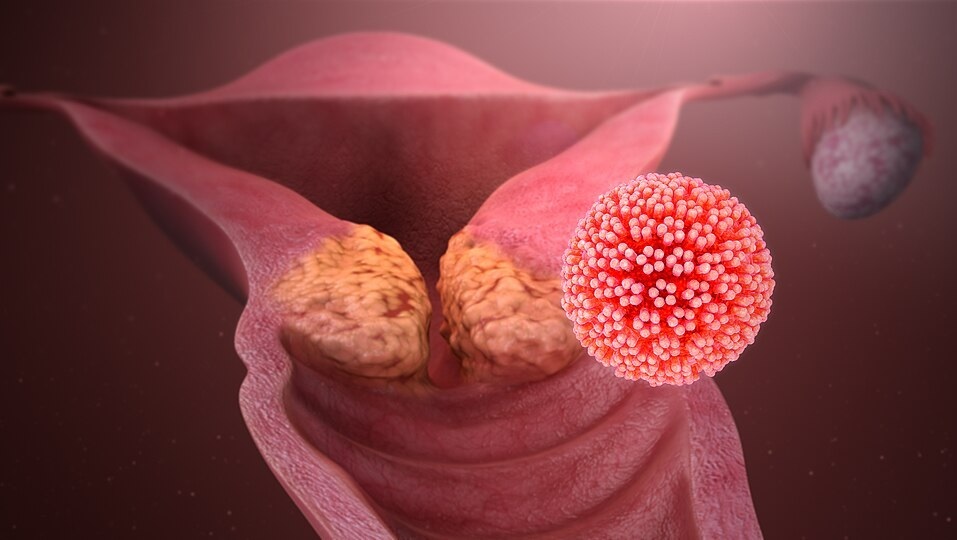
M-Strip is designed to detect Human Papillomavirus (HPV), the primary cause of cervical cancer, using menstrual blood as a testing sample.
Instead of visiting a clinic for a cervical smear test, women can place the strip on a sanitary pad during their menstrual cycle. The collected sample can then be sent to a laboratory for analysis.
The innovation addresses several barriers associated with traditional screening methods. Conventional tests require a gynaecological examination, specialised sample collection, and cold-chain transportation.
Many women avoid screening because of discomfort, privacy concerns, or limited access to healthcare facilities. M-Strip removes these obstacles by enabling sample collection at home.
One of the key uses of M-Strip is early detection of HPV infections, which can help identify women at risk of developing cervical cancer.
Early diagnosis significantly improves treatment outcomes and can prevent the disease from progressing to advanced stages.
The technology is particularly valuable for women living in rural and underserved regions. Since the sample remains stable for several days without refrigeration, it can be transported from remote areas to testing laboratories without expensive logistics infrastructure.
This feature makes large-scale screening programs more practical and cost-effective.
Clinical studies have demonstrated strong agreement between M-Strip and conventional screening methods.
Moreover, a large majority of participants preferred the new method because of its simplicity and convenience.
Beyond cervical cancer screening, the underlying biosampler technology has broader potential.
Researchers are exploring additional diagnostic applications using menstrual blood and other biological samples.
As a result, the platform could support future innovations in disease detection and preventive healthcare.
By combining scientific research with user-friendly design, M-Strip offers a promising solution to increase screening rates, improve early diagnosis, and make women’s healthcare more accessible across India.
Image Credit: www.scientificanimations.com, CC BY-SA 4.0, via Wikimedia Commons
Source: http://www.scientificanimations.com/wiki-images/
You may also like



Image Reference: https://commons.wikimedia.org/wiki/File:HPV_causing_cervical_cancer.jpg

Recent Posts
- CSIR-NCL Recruitment 2026: 24 MTS Vacancies
 CSIR-NCL will conduct a competitive written examination for provisionally eligible candidates.
 - Voter Roll Revision Begins Ahead of 2027 Polls
 Citizens can submit claims and objections until December 11.
 - Assam Artist Creates Durga Idol Using 50,000 Safety PinsBlending devotion with extraordinary creativity, an artist from Assam has transformed thousands of ordinary safety pins into a stunning idol of Goddess Durga. Sanjib Basak, a government employee from Dhubri, spent over three months crafting the unique creation, which will be displayed at Rashmi Sangha Puja Mandap in Panchmor.
WeRIndia – A News Aggregator

Visit werindia.com for all types of National | Business | World | Politics | Entertainment | Health related news and much more..