

Gujarat startup uses drones to strengthen flood rescue operations
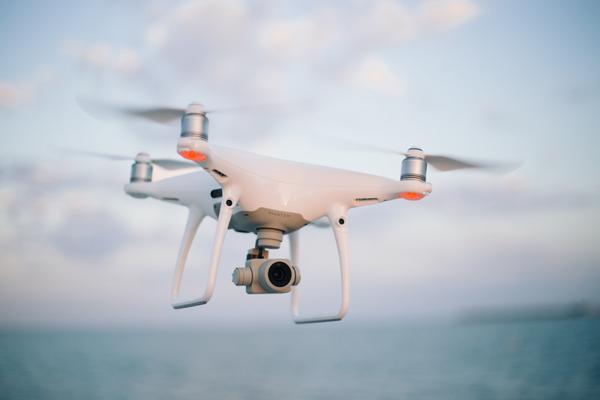
As monsoon floods continue to disrupt lives across Gujarat, technology has emerged as a valuable ally for emergency responders.
In flood-hit Dholka, drone startup Prime UAV supported rescue teams by providing aerial surveillance, locating stranded residents and helping deliver essential supplies to inaccessible areas.
Founded in 2019 by Pradip Patel and Hiten Patel, the Mehsana-based startup develops drone solutions for agriculture, infrastructure inspections, mapping, surveying and disaster management.
Recognised by the Department for Promotion of Industry and Internal Trade (DPIIT), the company has steadily expanded its expertise in aerial monitoring and customised drone technology.
When reports of severe flooding reached the team, Prime UAV quickly mobilised its emergency response unit.
According to CEO Pradip Patel, the company deployed rescue and surveillance drones within 30 minutes of receiving the information.
Working alongside local authorities and emergency personnel, the drones provided real-time aerial footage of flooded neighbourhoods, allowing responders to identify stranded people and assess the extent of the damage.
Moreover, the technology proved especially useful after dark, when poor visibility slowed ground operations. Equipped with GPS-enabled tracking and live video feeds, the drones helped rescue teams plan safer routes through floodwaters and prioritise areas requiring immediate attention.
The company also used customised payload systems to transport essential supplies to locations that remained unreachable by road or boat.
Although Prime UAV did not conduct evacuations directly, its aerial support significantly improved situational awareness for rescue teams.
The real-time data enabled faster decision-making and strengthened ongoing relief operations during the critical hours of the emergency.
This was not the startup’s first disaster response mission. During the COVID-19 pandemic, Prime UAV assisted authorities with sanitisation drives and lockdown monitoring.
It also deployed drones during the 2020 locust invasion in Gujarat and Rajasthan, helping monitor affected agricultural regions.
The Gujarat floods once again demonstrated how technology can complement traditional rescue efforts.
While drones cannot replace emergency responders, they can provide faster access to information, improve coordination and help reach communities isolated by disasters.
As extreme weather events become more frequent, such innovations are expected to play an increasingly important role in strengthening India’s disaster response capabilities.
Image from Pxhere (Free for commercial use / CC0 Public Domain)
Image published on October 06, 2018
You may also like

Image Reference: https://pxhere.com/en/photo/1555155
Recent Posts
- Night Vision Problems? Protect Your Eyes Naturally with these tips
 A balanced diet, regular eye care and safer driving habits support healthy vision.
 - EPF Withdrawal Rules Simplified: Check Limits and Eligibility
 The simplified framework provides greater flexibility for accessing EPF savings.
 - CSIR-NCL Recruitment 2026: 24 MTS Vacancies
 CSIR-NCL will conduct a competitive written examination for provisionally eligible candidates.
WeRIndia – A News Aggregator

Visit werindia.com for all types of National | Business | World | Politics | Entertainment | Health related news and much more..