

India’s drone delivery network begins to scale
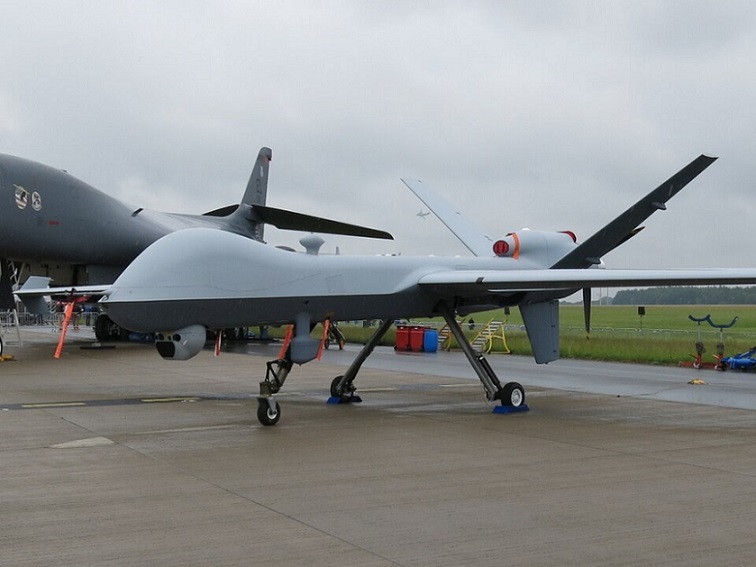
Technology is steadily reshaping how goods move across India. Drones are now moving from pilot projects to limited commercial delivery networks.
Supportive regulations and booming quick commerce are accelerating this transformation nationwide.
The Drone Rules, 2021, opened controlled airspace for operators. Meanwhile, the Digital Sky platform streamlined permissions and flight approvals. As a result, companies are shifting from experiments to scalable deployments.
India’s quick commerce boom has raised expectations for instant deliveries. However, ground logistics costs continue to rise across urban networks.
Drones reduce last-mile cost by bypassing traffic and fuel expenses. Firms like Skye Air Mobility argue that aerial routes improve unit economics significantly.
Rural India presents stronger use cases for drone logistics expansion. Poor roads and distance make conventional delivery slower and costlier.
Drones can deliver medicines, documents and supplies to remote areas efficiently. Therefore, postal corridors are being tested to connect underserved regions.
Still, limitations slow large-scale adoption across Indian cities. Battery range, payload limits and monsoon weather restrict operations.
Urban airspace complexity further increases safety and compliance requirements. Regulatory approvals and insurance frameworks also add operational friction.
Importantly, drones are unlikely to replace delivery riders entirely. Instead, they will complement human workers in hybrid logistics systems.
Global players such as Zipline, Amazon Prime Air and Wing show similar hybrid models. India is likely to follow this selective adoption path across sectors. Eventually, drones may reduce emissions and improve delivery efficiency nationwide.
Investment in drone infrastructure could reshape logistics costs in the coming years. Warehousing, routing software and aerial corridors will define competitive advantage.
Companies that adapt early may reduce delivery costs significantly. However, scaling will depend on clear policy stability and public trust. Overall, drones represent an additional layer in India’s evolving logistics ecosystem.
Consequently, early pilots are focusing on healthcare and urgent supply chains. These segments offer high value with relatively low payload requirements. Thus, drones are entering the market where speed matters most.
Moreover, regulatory corridors are expanding gradually across select Indian states. This steady expansion signals a gradual, not disruptive, transformation ahead.
Ultimately, success depends on economics, infrastructure readiness and consistent policy support.
Image Credit: Boevaya mashina, CC BY-SA 4.0, via Wikimedia Commons
You may also like

Image Reference: https://commons.wikimedia.org/wiki/File:MQ-9_Reaper_ILA2016-2.jpg

Recent Posts
- Night Vision Problems? Protect Your Eyes Naturally with these tips
 A balanced diet, regular eye care and safer driving habits support healthy vision.
 - EPF Withdrawal Rules Simplified: Check Limits and Eligibility
 The simplified framework provides greater flexibility for accessing EPF savings.
 - CSIR-NCL Recruitment 2026: 24 MTS Vacancies
 CSIR-NCL will conduct a competitive written examination for provisionally eligible candidates.
WeRIndia – A News Aggregator
Visit werindia.com for all types of National | Business | World | Politics | Entertainment | Health related news and much more..