

Divine wedding, timeless meaning
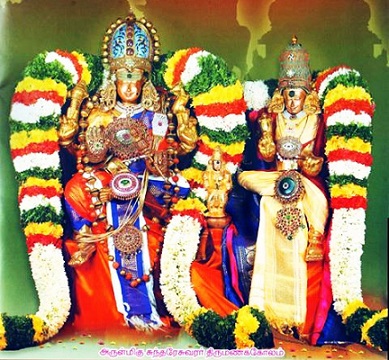
In many cultures, wedding rituals carry meanings that go far beyond celebration, symbolising values that shape society and belief systems.
Nowhere is this more beautifully expressed than in the divine wedding rituals of Meenakshi Thirukalyanam.
Held at the iconic Meenakshi Amman Temple, these rituals are not merely ceremonial. Instead, they reflect deep spiritual ideas and social messages that continue to resonate across generations.
Each step in the wedding holds symbolic weight, connecting mythology with everyday life.
The ritual begins with Pattabhishekam, where Goddess Meenakshi is crowned as ruler. This moment is significant because it places a woman at the centre of power.
Unlike many traditions, she is not defined by marriage alone. Rather, she enters it as an independent and capable leader.
Next comes the grand arrival of Lord Sundareshwarar. His procession symbolises acceptance and harmony.
He does not overpower Meenakshi but joins her as an equal. Therefore, the ritual highlights mutual respect in relationships rather than dominance.
The wedding ceremony itself follows Vedic traditions. Priests chant sacred hymns while thousands gather as witnesses.
At this moment, devotion blends with emotion. Many devotees tie sacred threads, seeking blessings for love, stability, and healing. Thus, the ritual becomes both personal and collective.
Equally important is the Ther Thiruvizha, or chariot festival. During this event, devotees pull massive temple chariots through the streets.
This act symbolises unity and shared responsibility. People from all backgrounds participate, reinforcing the idea that divine blessings belong to everyone.
Another deeply meaningful moment involves Lord Vishnu. As Meenakshi’s brother, he arrives late to the wedding yet offers his blessings.
This episode reflects human emotions within divine stories. It reminds devotees that love and intention matter more than perfection.
These rituals express more than mythology. They represent balance between strength and compassion, independence and partnership.
Meenakshi stands for power and choice, while Sundareshwarar embodies support and understanding.
Through these sacred practices, the temple wedding becomes a living lesson. It teaches that true relationships are built on respect, equality, and shared purpose.
Even today, these rituals continue to inspire, making the festival not just a tradition but a meaningful experience.
Image Credit: Saba rathnam, CC BY-SA 3.0, via Wikimedia Commons
You may also like
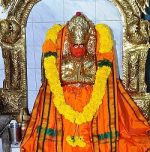
Image Reference: https://commons.wikimedia.org/wiki/File:Meenakshi_Sundareswarar.jpg

Recent Posts
- WeVOIS: Making Waste Management Smarter
 WeVOIS digitally maps properties and uses RFID tags to track collections.
 - UPI MDR vs Card Charges: What Merchants Will Pay
 The new MDR applies to merchants accepting eligible high-value UPI payments.
 - Indowud NFC: Waste to Wood
 Indowud has further demonstrated the material’s potential through real-world projects.
WeRIndia – A News Aggregator
Visit werindia.com for all types of National | Business | World | Politics | Entertainment | Health related news and much more..