

Astgaon’s Rose Revolution
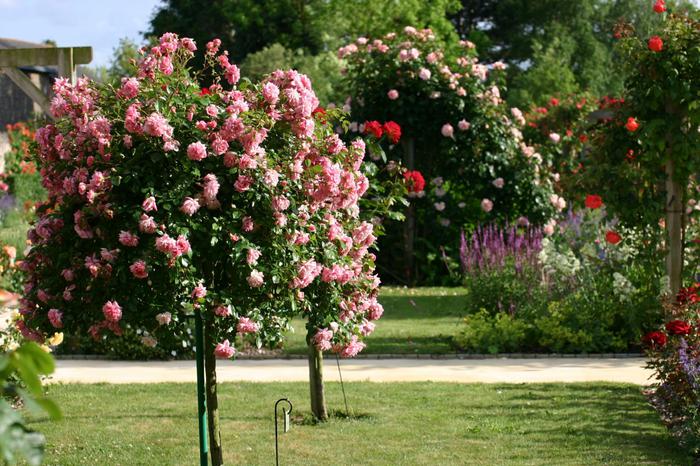
In Maharashtra’s farming landscape, one village has found a fragrant path to prosperity. Astgaon in Ahilyanagar district has transformed itself into a major rose-growing hub.
Farmers in Astgaon and nearby Cholkevasti and Morwadi cultivate roses across nearly 700 acres.
Together, they produce around 10 lakh flowers every day. These blooms travel to markets across India, including Mumbai, Surat, Ahmedabad, Indore, Bhopal, Hyderabad and Bengaluru.
The change began nearly four decades ago. A few farmers brought Divine rose seedlings from an exhibition in Ahilyanagar.
The crop soon showed strong returns. Consequently, more farmers shifted from traditional crops to rose cultivation.
Today, the trade generates an annual turnover of about ₹20 crore. Around 600 farmers grow roses in the region, supporting nearly 1,000 families.
Farmers can produce about two to three lakh flowers per acre. The crop can generate around ₹5 lakh in income per acre, with cultivation costs accounting for nearly 30 percent.
The roses also have a strong religious connection. About 20 percent of Astgaon’s flowers are sold in Shirdi.
Local farmers supply blooms for garlands offered at the Sai Baba temple. The remaining produce reaches flower markets across several states.
Demand rises further during Diwali, Dussehra, weddings and the Maharashtrian New Year. Therefore, farmers maintain cultivation throughout the year to meet changing market needs.
The rose economy has also created new rural opportunities. Nearly 70 to 80 nurseries now operate in Astgaon. Many specialise in propagating Divine roses through eye-budding grafting.
This specialised skill has opened another avenue for local youth. Around 200 to 250 young people have mastered rose grafting techniques. Some now travel across India and abroad to help establish rose plantations.
For Astgaon, roses have become more than a crop. They have created markets, employment and a distinctive village identity.
What began as a small farming experiment has grown into a thriving rural enterprise.
Image from Pxhere (Free for commercial use / CC0 Public Domain)
Image published on March 08, 2017
You may also like



Image Reference: https://pxhere.com/en/photo/1052097
Recent Posts
- Opposition Plans Supreme Court March Over ‘Vote Chori’ Row
 Earlier, leaders of several INDIA bloc parties had marched from Parliament to Vijay Chowk.
 - Indian Navy to Commission Mangrol, Boosting Coastal Defence
 Mangrol incorporates more than 80 per cent indigenous content.
 - Eden Gardens Sets Guinness World Record on MahalayaMahalaya celebrations at Kolkata’s Eden Gardens made history as 3,000 dhakis played the dhak together, setting a Guinness World Record. The grand event on October 10 marked the beginning of Devi Paksha and the countdown to Durga Puja.
WeRIndia – A News Aggregator

Visit werindia.com for all types of National | Business | World | Politics | Entertainment | Health related news and much more..
Leave a Reply