

Three indigenous warships signal India’s naval manufacturing rise
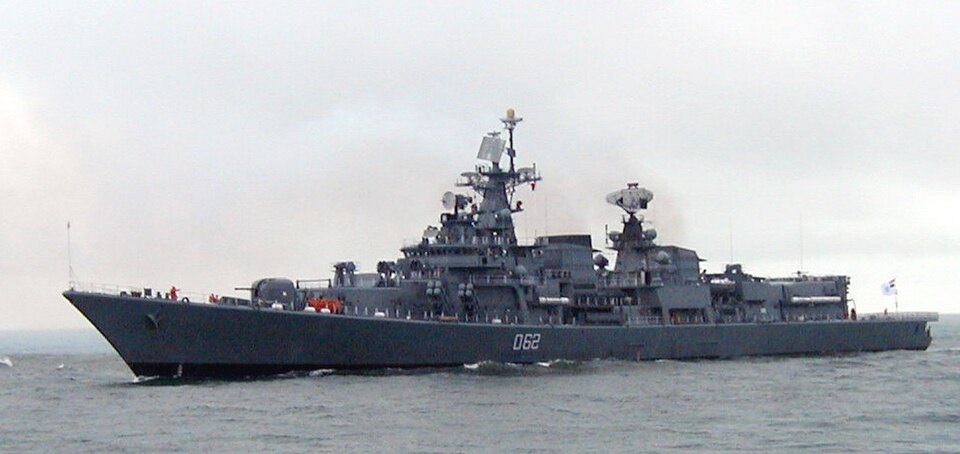
Strong domestic manufacturing is becoming a key pillar of national security, especially in the maritime domain.
India marked a significant milestone in defence self-reliance with the commissioning of three indigenous naval platforms, INS Dunagiri, INS Sandhayak, and INS Agray, at the Garden Reach Shipbuilders and Engineers facility in Kolkata.
Designed by the Indian Navy’s Warship Design Bureau and built domestically, these vessels showcase the country’s growing capability to develop advanced military systems without foreign dependence.
The addition of these ships comes as strategic competition intensifies across the Indian Ocean Region. Consequently, the Indian Navy gains stronger operational flexibility while India advances its Aatmanirbhar Bharat vision.
More than 75 per cent of the equipment and systems onboard the vessels are indigenous, highlighting the maturity of the domestic defence ecosystem.
Among the three, INS Dunagiri stands out as a next-generation stealth frigate under Project 17A. The warship features reduced radar visibility, advanced sensors, and modern combat systems.
Moreover, it carries powerful weaponry, including BrahMos supersonic cruise missiles and medium-range air defence systems.
These capabilities strengthen the Navy’s ability to conduct complex missions across vast maritime spaces.
INS Sandhayak serves a different but equally vital role. As part of the Large Survey Vessel programme, it will conduct hydrographic and oceanographic surveys.
Additionally, the ship can map seabeds, chart navigation routes, and support scientific research.
Equipped with Autonomous Underwater Vehicles and Remotely Operated Vehicles, it can operate effectively in both coastal and deep-sea environments.
Meanwhile, INS Agray enhances coastal defence through specialised anti-submarine warfare operations.
Designed for shallow waters, the vessel can detect, track, and engage hostile submarines. Advanced sonar systems and anti-submarine weaponry further strengthen India’s maritime security posture amid rising underwater activity in the region.
The programme also reflects broad industrial participation. More than 200 MSMEs contributed components, technologies, and specialised systems for the three vessels.
As a result, defence manufacturing benefits extend beyond shipyards and reach businesses across the country.
Together, these platforms expand the Navy’s capabilities in surface warfare, seabed mapping, and anti-submarine operations.
More importantly, they represent India’s growing confidence in designing and building sophisticated naval assets at home, reducing external dependence and strengthening long-term strategic autonomy.
Image Credit: Nachoman-au, CC BY-SA 3.0, via Wikimedia Commons
You may also like


Image Reference: https://commons.wikimedia.org/wiki/File:Ins_mumbai-Fremantle-2001.jpg

Recent Posts
- Assam farmer’s notable journey, from ₹6 a day to an ₹80 lakh farm
 While many farmers in Upper Assam are turning to tea cultivation, Handique remains committed to farming.
 - Dussehra 2026: Date, Puja Muhurat, Rituals and Significance
 Vijay Muhurat is traditionally regarded as a favourable period for beginning important activities.
 - FSSAI Tightens Food Safety Rules for Perishable Items
 Indian Railways and its regional directors have also been directed to ensure vigilance.
WeRIndia – A News Aggregator

Visit werindia.com for all types of National | Business | World | Politics | Entertainment | Health related news and much more..